
SYNTHETIC SPRAY
What Is Synthetic Spray ?A Complete Guide
Apr
Table of Contents
This guide answers the fundamental question — what is synthetic spray? — in full, honest, science-based detail. It is written for parents who found something they didn’t recognize, for teachers and counselors trying to understand what students are encountering, for healthcare providers who need background context, and for anyone who has heard the term and wants to understand what it actually means and why it matters.
Understanding synthetic spray is not a niche interest. These products are sold openly in many retail settings, are actively marketed to young people through social media, and are present in communities across the socioeconomic spectrum. The gap between how these products are presented — as natural, legal, harmless alternatives — and what they actually are and do is one of the most dangerous pieces of misinformation in the current drug landscape.
1. Defining Synthetic Spray: What It Is and What It Isn’t
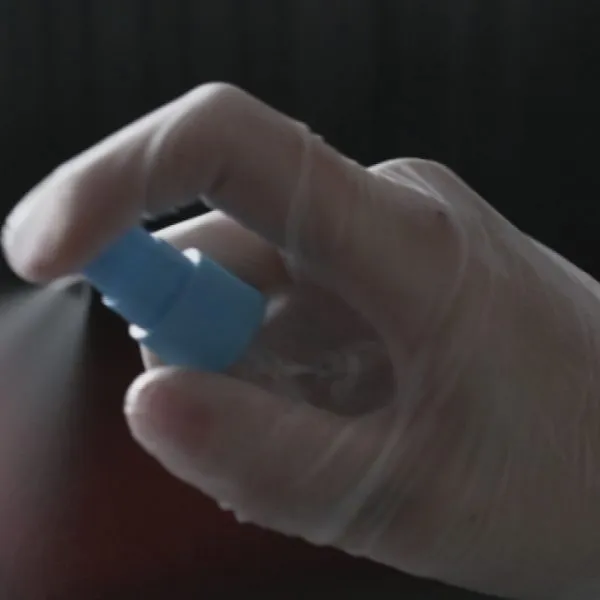
Synthetic spray, in the drug harm reduction context, refers to a liquid solution containing one or more synthetic cannabinoid compounds dissolved in an organic solvent. This solution is applied — sprayed — onto a substrate: most commonly dried plant material, but also paper, fabric, or other surfaces that can be subsequently smoked or otherwise used to inhale the active compound.
The term encompasses both the liquid solution itself and the process of applying it. When people refer to “K2 spray” or “Spice spray,” they are typically referring to either the liquid synthetic cannabinoid solution or the finished product — plant material onto which that solution has been applied. The spray format is the manufacturing method that creates the finished drug product.
What Synthetic Spray Is Not
Synthetic spray is not a natural product, despite the “herbal” branding that surrounds it. The active ingredient — a synthetic cannabinoid compound — is entirely human-made, created in a chemical laboratory, and has no natural analogue in any plant species. The plant material onto which it is sprayed is pharmacologically irrelevant — it could be oregano, grass clippings, or shredded paper and produce the same effects, because the plant material contributes nothing to the drug experience.
Synthetic spray is not a safe or legal alternative to cannabis. This is perhaps the most dangerous misconception surrounding these products. The synthetic cannabinoid compounds used in spray products are pharmacologically different from THC in ways that make them dramatically more dangerous — not a gentler or more convenient version of the same thing.
Synthetic spray is not incense, despite being marketed as such. Real incense — products containing natural botanical compounds burned for their fragrance — has a completely different composition, purpose, and effect profile. The “herbal incense” label on synthetic spray products is a legal and commercial fiction designed to create regulatory distance from drug laws. It has no relationship to how the product is actually composed or used.
700+Synthetic cannabinoid compounds identified in spray products worldwide
100×More potent than THC at brain receptors in some compound variants
0Approved medical antidotes exist for synthetic spray overdose
2. How Synthetic Spray Came to Exist
The origin of synthetic spray as a drug product is one of the more striking examples in modern history of legitimate scientific research being weaponized for illicit commercial purposes. The compounds at the heart of synthetic spray products were not created by drug manufacturers — they were created by university researchers studying the brain.
The Academic Origins
Beginning in the 1970s and accelerating through the 1980s and 1990s, pharmacologists studying the brain’s endocannabinoid system needed research tools — compounds that would bind selectively and potently to cannabinoid receptors, allowing them to map how the system worked. Natural THC was useful but limited. Researchers synthesized more potent, more selective compounds for laboratory use.
Dr. John W. Huffman at Clemson University created the JWH series of synthetic cannabinoids — named for his initials. Dr. Alexandros Makriyannis at Northeastern University created the AM series. Researchers at Pfizer created the CP series. All of these compounds were published in peer-reviewed scientific literature, with full chemical structures, for the benefit of the scientific community. None were ever intended for human consumption. Some were described by their creators as far too potent for safe human use.
From Laboratory to Market
In the early 2000s, individuals with chemical knowledge began reading the published academic literature and synthesizing these research compounds for commercial sale. The first products appeared in Europe — particularly Germany — around 2004, marketed as legal herbal smoking blends. By 2008, they had reached the United States, sold in convenience stores and head shops as “herbal incense” or “potpourri.”
The spray format was central to scalable production. By dissolving synthetic cannabinoid compounds in organic solvents and spraying the solution onto bulk plant material, manufacturers could produce large quantities of product quickly, control (imperfectly) the concentration of active compound, and create a product that looked and smelled sufficiently like natural botanical material to maintain the “herbal” fiction.
1970s – 1990s
Research Compounds Created for Science
Academic researchers create potent synthetic cannabinoids as research tools. Chemical structures published in scientific journals accessible to anyone with the knowledge to use them.
2002 – 2006
First Commercial Spray Products in Europe
Clandestine chemists synthesize research compounds and begin spraying solutions onto plant material for sale as “legal highs.” Products circulate in Germany, UK, and other European markets.
2008 – 2010
U.S. Market Emerges
K2 and Spice products reach American convenience stores and head shops. Emergency rooms begin seeing unusual presentations. Poison control calls begin rising. Law enforcement has no legal basis to act on products not yet scheduled.
2012 – Present
Regulatory Arms Race Begins
Federal and state scheduling of specific compounds begins. Manufacturers respond by modifying chemical structures to produce new, unscheduled variants. More than 700 distinct compounds are identified over the following decade. Each new generation is often more potent and less well-characterized than the last.
3. How Synthetic Spray Works: The Chemistry Explained Simply
Understanding what synthetic spray does requires a basic understanding of the system it disrupts — and why the synthetic compounds in spray products are so much more disruptive than natural cannabis.
The Endocannabinoid System
The human brain and body contain a network of receptors called the endocannabinoid system (ECS). This system regulates an enormous range of functions including mood, memory, pain perception, appetite, sleep, stress response, immune function, and motor coordination. The ECS operates through receptors — primarily CB1 receptors in the brain and central nervous system, and CB2 receptors in immune tissue and peripheral organs.
The body produces its own compounds — endocannabinoids — that bind to these receptors as needed, produce a regulatory effect, and are then broken down by enzymes. This is a self-regulating system. It activates when needed and deactivates when not needed. Natural cannabis introduces THC, a plant compound that partially mimics endocannabinoids and partially activates CB1 receptors — producing intoxication but maintaining some of the system’s self-regulatory capacity.
What Makes Synthetic Spray Different: Full vs. Partial Agonism
This is the pharmacological fact that explains most of synthetic spray’s danger. THC is a partial agonist at CB1 receptors. Synthetic cannabinoids are full agonists. The difference matters enormously.
A partial agonist activates a receptor to a fraction of its maximum possible activation — like pressing an accelerator to 40% of its range. A full agonist activates that receptor to its absolute maximum — like pressing the accelerator to the floor and holding it there. The brain and body are not designed to handle maximum CB1 receptor stimulation. The ECS was built around the assumption of partial, transient activation. When synthetic cannabinoids lock CB1 receptors open at full activation, the resulting disruption cascades through every system the ECS regulates.
Compounding this, many synthetic cannabinoid compounds bind to CB1 receptors with much greater affinity than THC — meaning they attach more firmly and are not easily displaced. Some compounds have binding affinities 10 to 800 times greater than THC. At these potency levels, a very small amount of compound produces effects that far exceed what any amount of natural cannabis could produce.
The Manufacturing Process and Its Problems
In the spray production process, synthetic cannabinoid compounds are dissolved in an organic solvent — typically acetone, ethanol, or another readily available chemical — to create a liquid solution. This solution is then applied to bulk plant material through spraying or tumbling. The material is then dried, packaged, and sold.
The fundamental problem with this process is the impossibility of achieving uniform distribution. The synthetic compound does not distribute evenly through the plant material during spraying. Some areas absorb more solution; others absorb less. The result is hotspots — regions within the same package that contain dramatically higher concentrations of active compound than surrounding material. A user who happens to smoke from a hotspot may receive many times the dose they intended, with no warning and no way to predict it from prior experiences with the same product.
The Hotspot Danger
Independent laboratory analysis of synthetic spray products has confirmed that psilocybin and synthetic cannabinoid content can vary by more than 300% between different portions of a single package. The piece of product that looks and smells identical to what you smoked safely last time may contain several times the dose. This mechanism is directly responsible for a large proportion of severe adverse events and emergency room presentations involving synthetic spray products.
4. Types of Synthetic Spray Products in Circulation
Synthetic spray technology has been applied to several different product formats since its commercial introduction, and the market has evolved significantly over two decades. Understanding the different forms helps with recognition and risk assessment.
Classic Herbal Smoking Blends
The original and still most prevalent format. Dried botanical material — damiana, marshmallow leaf, rose petals, or other botanicals — sprayed with synthetic cannabinoid solution and packaged in foil envelopes. Sold under names including K2, Spice, Black Mamba, Mojo, Scooby Snax, AK-47, Joker, and hundreds of others. The plant material is smoked in the same manner as cannabis — rolled into cigarettes or smoked in a pipe. The plant material itself contributes nothing to the effect; it is purely a delivery vehicle.
Vaping Liquids
The fastest-growing format in recent years. Synthetic cannabinoid compounds dissolved in propylene glycol or vegetable glycerin solutions for use in e-cigarettes and vape pens. This format is particularly concerning from a public health standpoint because it is visually indistinguishable from legitimate vaping products, produces minimal smell, is highly portable and discreet, and has been associated with some of the most severe adverse events in the clinical literature. The efficiency of vaping as a delivery mechanism may increase the dose received per use compared to smoking.
Paper and Fabric Applications
A less commonly discussed but important format involves synthetic cannabinoid solution applied to paper or fabric rather than plant material. These formats are associated primarily with attempts to introduce synthetic cannabinoids into environments where detection is a concern. The health risks of these formats are equivalent to other synthetic cannabinoid products and may be higher due to additional uncertainty about concentration and dose.
Powder and Crystal Formats
Pure synthetic cannabinoid compounds in powder or crystal form are produced at the manufacturing level and are what gets dissolved to create spray solutions. These are occasionally found in markets that serve people who produce their own spray products. Handling pure synthetic cannabinoid powders is particularly dangerous — accidental skin contact, inhalation of powder particles, or any route of exposure can produce rapid severe effects. Exposure to very small quantities of highly potent compounds can be life-threatening.
Format Recognition Note
The commercial evolution of synthetic spray products is driven by the desire to evade both regulatory identification and consumer suspicion. Vaping formats are particularly effective at both — they look like legitimate products and produce no identifying smell. Recognition of these products requires knowledge of market trends and brand names rather than simple visual or olfactory identification.
5. Synthetic Spray vs. Natural Cannabis: A Critical Comparison
The most persistent and dangerous misconception about synthetic spray products is that they are essentially cannabis — just synthetic, perhaps more convenient, perhaps more potent. This misconception is cultivated by marketing and has contributed directly to severe adverse events and deaths. The comparison is false in ways that matter profoundly for risk assessment.
| Property | Natural Cannabis (THC) | Synthetic Spray |
|---|---|---|
| Receptor activity | Partial agonist — partial activation with natural ceiling | Full agonist — maximum activation, no ceiling |
| Relative potency | Baseline reference | 10× to 800× more potent depending on compound |
| Chemical consistency | Known composition studied for decades | Unknown — changes between batches, no disclosure |
| Dose predictability | Reasonably consistent within a batch | Highly variable — hotspot distribution creates extreme variation |
| Lethal overdose | No confirmed human deaths from THC alone | Multiple confirmed deaths directly attributed |
| Cardiac effects | Mild, transient heart rate increase | Severe — cardiac arrest and heart attack documented |
| Psychosis risk | Low to moderate in vulnerable individuals with heavy use | High — documented in first-time users with no psychiatric history |
| Kidney effects | Minimal | Acute kidney injury documented — some cases permanent |
| Antidote available | Not needed for most cases | None exists anywhere in the world |
| Drug test detection | Detected by standard urine immunoassay panels | Not detected by standard panels — requires specialized testing |
| Contamination risk | Low in regulated markets | High — adulterants including opioids and rat poison documented |
| Dependence profile | Moderate — approximately 9% of users develop dependence | High — severe withdrawal syndrome documented |
The comparison table above makes the fundamental point clearly: synthetic spray products are not a variant of cannabis. They are a different class of compound with a different pharmacological mechanism, a different potency range, a different risk profile, and a different clinical presentation in adverse events. Treating them as “strong weed” is a category error that has cost lives.
6. What Synthetic Spray Does to the Body
The physical health consequences of synthetic spray exposure affect multiple organ systems simultaneously, reflecting the widespread distribution of CB1 receptors throughout the body and the additional effects many synthetic cannabinoid compounds have on receptor systems beyond the endocannabinoid system.
Cardiovascular System
Heart rate elevation exceeding 150 beats per minute, dangerous blood pressure spikes, ventricular arrhythmias, myocardial infarction in young healthy individuals, and cardiac arrest. Cardiovascular complications are among the most acutely life-threatening consequences and have caused confirmed deaths in users with no prior heart disease.
Brain & Nervous System
Seizures, acute psychosis, severe agitation, altered consciousness, coma, and stroke. Long-term neuroimaging studies document white matter tract abnormalities and hippocampal volume reduction in heavy users, corresponding to measurable cognitive deficits including memory impairment and reduced processing speed.
Kidneys
Acute kidney injury requiring dialysis has been documented in cluster outbreaks. The mechanism involves probable direct nephrotoxicity from synthetic compounds or their metabolites, sometimes compounded by rhabdomyolysis. Some documented cases have resulted in permanent kidney damage.
Respiratory System
Direct pulmonary damage from combustion products, respiratory depression in severe overdose creating aspiration risk, and vaping-associated acute lung injury similar to the EVALI syndrome documented in the 2019-2020 vaping crisis.
Blood & Coagulation
The 2018 brodifacoum contamination outbreak — in which synthetic cannabinoid products were found laced with rat poison anticoagulant — produced life-threatening bleeding disorders in more than 300 people across multiple U.S. states and killed at least eight. Unexplained bleeding in a synthetic spray user is a medical emergency.
Musculoskeletal System
Severe muscle rigidity and rhabdomyolysis — muscle tissue breakdown releasing myoglobin into the bloodstream — have been documented in overdose cases. Rhabdomyolysis compounds kidney injury risk significantly and requires urgent medical management.
7. What Synthetic Spray Does to the Brain
The neurological and psychiatric consequences of synthetic spray exposure are among its most serious and most frequently underappreciated dangers. Brain effects range from acute psychiatric crises to lasting structural damage, and they can occur in people with no prior psychiatric history — sometimes after a single exposure.
Acute Psychiatric Effects
Maximum stimulation of CB1 receptors throughout the brain — particularly in the prefrontal cortex, hippocampus, and amygdala — produces neurological disruption of a different order than cannabis intoxication. Emergency department presentations related to synthetic spray commonly include: full psychotic episodes with hallucinations and paranoid delusions indistinguishable in the acute phase from schizophrenia; extreme agitation and aggression that can make patients dangerous to themselves and others; profound anxiety and panic that users describe as among the most frightening experiences of their lives; and complete disconnection from reality.
A critical and frequently overlooked fact: acute psychosis from synthetic spray has been documented in first-time users with no prior psychiatric history. The vulnerability to synthetic cannabinoid-induced psychosis does not appear to require a pre-existing condition. It can manifest in anyone at sufficient doses — and “sufficient doses” may be lower than anticipated given the potency of current compounds.
Cognitive Effects of Regular Use
Memory impairment, reduced processing speed, difficulty with attention and concentration, and impaired executive function — the cognitive abilities that govern planning, impulse control, and decision-making — have been documented in regular synthetic spray users through both self-report and objective neuropsychological testing. These deficits correspond to structural changes seen on neuroimaging: hippocampal volume reduction and white matter tract abnormalities consistent with disruption of the brain’s communication infrastructure.
Some of these structural changes appear to persist for months to years after use stops. The adolescent brain — still developing through approximately age 25, with particularly high CB1 receptor density during this period — is at substantially elevated risk for more severe and more lasting structural and functional damage than the mature adult brain.
Dependence and Withdrawal
Synthetic spray produces physical dependence — a state in which the body has adapted to the presence of the drug and requires it to function normally. When use stops, a withdrawal syndrome emerges that has been described by clinicians as more severe than natural cannabis withdrawal and comparable in distress to opioid withdrawal. Symptoms include severe anxiety and panic attacks, profuse sweating, nausea and vomiting, tremors and muscle cramps, heart palpitations, insomnia, and intense cravings that drive compulsive return to use.
The severity of withdrawal is a primary barrier to stopping use in dependent individuals. Many continue using not because the experience is pleasurable — which it often is not after a period of heavy use — but because stopping has become physically and psychologically unbearable without medical support.
8. The Unpredictability Problem: Why No Two Doses Are the Same
If there is a single feature of synthetic spray that most directly drives its harm, it is unpredictability. Natural cannabis, whatever its risks, is a substance that users can calibrate over time — they develop a sense of their response to known strains at known amounts. Synthetic spray offers no such calibration. Every dose is effectively unknown, for reasons that are structural and unavoidable given how these products are made and distributed.
Hotspot Distribution
As described in the chemistry section above, the spraying process cannot achieve uniform distribution of synthetic cannabinoid solution across bulk plant material. The result is hotspots — areas within a package that contain dramatically higher concentrations of active compound. Laboratory testing of synthetic spray products has confirmed concentration variation of more than 300% within single packages. A portion that contains a moderate dose and a portion that contains a potentially life-threatening dose may look, smell, and feel identical.
Rotating Compound Formulations
The compound present in synthetic spray products changes constantly, driven by the scheduling arms race between manufacturers and regulatory agencies. A product sold under the same brand name this month may contain a completely different synthetic cannabinoid compound than the same product purchased last month. The new compound may be more potent, may have a different duration of action, may affect different receptor systems in addition to CB1, and may have a completely different risk profile. The brand name provides no information about the compound, the potency, or what to expect.
Unknown Adulterants
Synthetic spray products are manufactured without quality control of any kind. Adulterants — including opioids, benzodiazepines, heavy metals, pesticide residues, and in the most dramatic documented case, rat poison anticoagulant — have been identified in products. These adulterants may be present intentionally or as byproducts of clandestine synthesis. They transform an already unpredictable product into one that may produce effects with no relationship to what was expected.
“The fundamental problem with synthetic spray is not any single compound — it is the system. A market with no quality control, no disclosure, no consistency, and no accountability cannot produce a safe product regardless of what compound it uses.”Public Health Researcher, Drug Policy Journal, 2023
9. Who Encounters Synthetic Spray and Why
Synthetic spray products do not circulate randomly through society. Specific populations encounter them disproportionately, for reasons rooted in social, economic, and institutional realities. Understanding this distribution is essential for effective prevention and response.
Young People
Adolescents and young adults are among the most commonly affected populations. Youth-oriented marketing — colorful packaging, cartoon imagery, names referencing popular culture and energy — deliberately targets this demographic. The perception that these products are “legal” and “natural” resonates with young people who have been told that cannabis is dangerous but see these products sold openly in stores. The price point is lower than cannabis. And the inability of standard drug tests to detect synthetic cannabinoids makes them attractive to young people subject to testing at school or at home.
People Seeking to Avoid Drug Detection
A significant proportion of synthetic spray users are motivated primarily by the desire to evade standard drug screening. People on probation or parole, employees in drug-tested industries, military personnel, and student athletes have turned to synthetic cannabinoids precisely because they do not appear on standard urine drug panels. This represents a tragic public health paradox — the effort to avoid the consequences of natural cannabis use drives people toward a substance that is dramatically more dangerous.
People Experiencing Homelessness
Homeless populations face extreme overrepresentation in synthetic spray use statistics globally. Cost is the primary driver — synthetic cannabinoids are often significantly cheaper than natural cannabis or other substances. Availability matters too, as products have historically been sold in the same urban retail environments where homeless individuals already move. The role of substances in managing the chronic pain, fear, and stress of street homelessness drives use in ways that cannot be addressed by drug education or criminal enforcement alone.
People in Correctional Settings
Synthetic spray has become prevalent in prison and jail populations for the same reason as among people on probation — it evades standard drug testing. Mass overdose events in correctional facilities have been documented in multiple countries. The introduction of synthetic cannabinoid solution onto paper or other substrates that can pass through mail screening has been documented in several prison systems and has resulted in significant overdose events among incarcerated individuals.
10. How to Recognize Synthetic Spray Products
Recognition of synthetic spray products is not straightforward. These products are specifically designed to look like something other than what they are. However, several markers can help parents, educators, healthcare providers, and community members identify them.
Packaging Characteristics
Most synthetic spray products sold as “herbal incense” share several packaging characteristics: foil envelopes designed to prevent detection by smell; bright, cartoon-heavy, or youth-oriented graphic design; names that reference energy, adventure, power, or relaxation; “not for human consumption” disclaimers that appear alongside obviously drug-related marketing language; and pricing and packaging quantities that suggest single-use purchase rather than home fragrance use.
Product Characteristics
The plant material in synthetic spray products often has a chemical or artificial smell beneath any added fragrance — distinct from the natural smell of actual herbs. The material may be more uniformly shredded than natural plant material. infoglobedaily.com products have a faintly sticky or waxy texture from the spray application. However, none of these characteristics are reliable for identification — some products have no detectable distinguishing features without laboratory analysis.
What Cannot Identify These Products
It is important to understand what cannot reliably identify synthetic spray products: smell alone is unreliable, as products often contain added fragrance; appearance of the plant material is unreliable; standard drug test results are unreliable (these products do not trigger standard panels); and prior experience with a product under the same brand name is unreliable, as compound formulations change between batches.


