Uncategorized
Introduction: What Is K2 Spray Synthetic Weed Paper?
Oct
K2 spray synthetic weed paper refers to paper reportedly treated with liquids containing synthetic cannabinoids, laboratory-made chemicals associated with unpredictable and potentially dangerous effects. People searching for this term often want to understand what these products are, how they are marketed, and whether they are safe or legal.
Products associated with synthetic cannabinoids may be advertised using terms such as “herbal incense spray,” “synthetic spray,” or “research material.” However, these labels do not verify the ingredients, composition, or safety of a product.
This guide explains the terminology, common marketing claims, health concerns, and legal considerations, particularly in the United States. For broader information about synthetic incense terminology, visit the SyntheticIncense.co homepage.
What Is K2 Spray, and How Does It Relate to Paper?
K2 is a street name associated with products containing synthetic cannabinoids. These laboratory-made chemicals interact with some of the same receptors as THC, the primary intoxicating compound in cannabis, but their effects can differ substantially from those of natural cannabis.
Unlike regulated products with standardized ingredients, synthetic cannabinoid mixtures may contain different chemicals and inconsistent concentrations. Consequently, the name on a label cannot reliably establish a product’s composition.
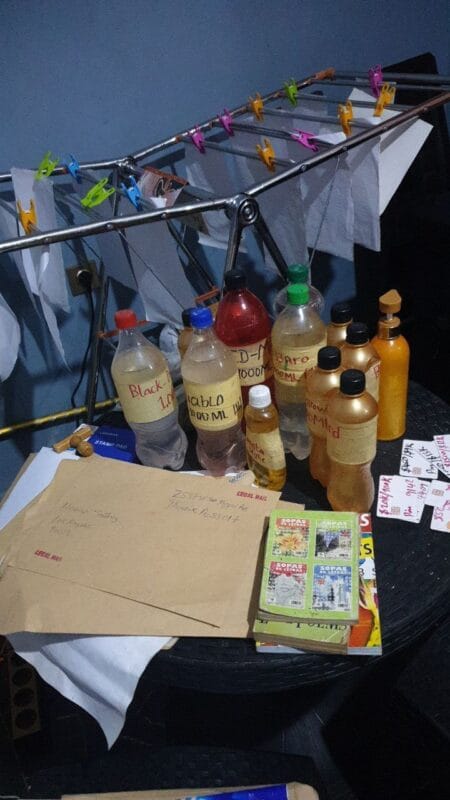
The phrase “synthetic weed paper” appears in online discussions of paper reportedly associated with these substances. Similarly, “K2 spray on paper” is a search term used to describe paper reportedly treated with synthetic cannabinoid liquids.
These phrases describe how products are discussed or marketed. They do not confirm the precise chemicals present or establish that a product is safe.
How Are Synthetic Spray Products Marketed?
Products associated with synthetic cannabinoids may appear under different labels. Understanding this terminology can help readers recognize potentially misleading descriptions.
Herbal Incense Spray
Some listings use the term “herbal incense spray” to describe liquids associated with synthetic cannabinoid products. However, genuine incense and fragrance products may use similar terminology, so the label alone cannot establish the ingredients.
Synthetic Spray
The term “synthetic spray” is broad and does not identify a particular chemical formula. Without credible ingredient information, the exact composition of a product cannot be established from its name.
K2 Spray Bottle
The phrase “K2 spray bottle” appears in searches for liquid products marketed under the K2 name. Packaging does not verify the identity, purity, or concentration of the substances inside.
Research or Novelty Labels
Some listings use phrases such as “research chemical,” “novelty product,” or “not for human consumption.” These descriptions do not establish that a product is lawful, accurately labeled, or safe.
Readers should distinguish a seller’s claims from independently verified information about a product.
Why Synthetic Cannabinoids Can Be Dangerous
Synthetic cannabinoids are not interchangeable with natural cannabis. Different compounds can have different potencies and effects, and some exposures have been associated with serious medical complications.
Reported adverse effects include:
- Rapid heartbeat and elevated blood pressure
- Severe anxiety, agitation, or confusion
- Nausea and vomiting
- Hallucinations and other changes in perception
- Seizures
- Acute kidney injury and other serious complications
The severity of a reaction can vary depending on the substance involved, the amount of exposure, and individual factors. Unknown chemicals and inconsistent concentrations make the effects particularly difficult to predict.
The National Institute on Drug Abuse and the Centers for Disease Control and Prevention provide educational resources about synthetic cannabinoids and their associated health risks.
Why “Herbal Incense” Labels Can Be Misleading
The term “herbal incense” can refer to legitimate fragrance products. However, it has also been used to market some synthetic cannabinoid products.
This overlap can make it difficult for consumers to understand what an online listing actually describes. Packaging that resembles an ordinary fragrance product does not guarantee that the contents are harmless or intended for conventional fragrance use.
Three points are particularly important:
- Labels do not prove ingredients. A product name cannot confirm its chemical composition.
- Disclaimers are not safety guarantees. Statements such as “not for human consumption” do not establish that exposure is safe.
- Marketing claims require evidence. Claims about purity, potency, or safety should not be accepted without credible supporting documentation.
For additional information about the terminology used on this website, visit SyntheticIncense.co. As with any online source, product descriptions should be evaluated critically rather than treated as independent proof of safety.
Is K2 Spray Synthetic Weed Paper Legal in the United States?
The legal status of synthetic cannabinoid products depends on their chemical composition and the laws that apply in a particular jurisdiction.
Many synthetic cannabinoids are controlled under U.S. federal law, while individual states may impose additional restrictions on specific substances or related compounds. Laws and scheduling decisions can change over time.
The U.S. Drug Enforcement Administration provides information about controlled substances and applicable federal restrictions.
When researching a particular product, remember:
- A seller’s claim that a product is legal does not establish compliance with applicable law.
- A label such as “incense” or “research product” does not automatically exempt a substance from legal restrictions.
- Different compounds may be subject to different rules.
- State laws may differ from federal requirements and the laws of other states.
Consult current official legal sources rather than relying exclusively on promotional claims in online listings.
How to Recognize Misleading Product Claims
People researching synthetic weed paper may encounter descriptions that provide little reliable information about the substances involved.
Vague Ingredient Lists
Descriptions that do not identify the actual ingredients make it difficult to evaluate what a product contains. A broad term such as “proprietary blend” is not a substitute for meaningful chemical information.
Unsupported Safety Claims
Statements that a product is safe, pure, or predictable should not be accepted without credible evidence. Appearance and packaging cannot verify those claims.
Disguised Product Descriptions
Terms such as “potpourri,” “herbal incense,” and “research chemical” may obscure the nature of a product. The label should not be treated as definitive evidence of its contents.
Unverifiable Testing Information
A reference to laboratory testing does not establish safety unless the documentation is credible, relevant to the specific product, and sufficient to support the claims being made.
Confusing or Contradictory Information
If a listing makes strong claims about a product while providing little information about its ingredients, composition, or applicable restrictions, readers should approach it cautiously.
There is no dependable way to identify the chemical contents of an unknown synthetic cannabinoid product simply by looking at its packaging or reading its marketing description.
Health and Safety: What Should Readers Know?
The central concern surrounding synthetic cannabinoid products is the uncertainty about their composition and effects.
A person exposed to an unknown synthetic cannabinoid may experience a reaction that requires urgent medical attention. Severe agitation, seizures, chest pain, difficulty breathing, or loss of consciousness should be treated as emergencies.
If someone develops severe symptoms after suspected exposure:
- Call emergency services immediately.
- Tell medical responders what is known about the exposure.
- Keep the packaging or product information available if doing so is safe.
- Do not attempt to manage severe symptoms without professional assistance.
In the United States, Poison Help is available at 1-800-222-1222. For life-threatening symptoms, call 911.
People seeking support for substance-related concerns can also consult the Substance Abuse and Mental Health Services Administration for information about treatment and support services.
Frequently Asked Questions
What is K2 spray synthetic weed paper?
K2 spray synthetic weed paper is a search phrase used to describe paper reportedly associated with liquids containing synthetic cannabinoids. The actual chemical composition may be unknown, and the phrase does not establish that a particular product contains any specific substance.
Is K2 the same as natural cannabis?
No. K2 is a street name associated with synthetic cannabinoid products. These laboratory-made chemicals differ from the naturally occurring compounds in cannabis and can produce severe, unpredictable effects.
What does K2 spray on paper mean?
The phrase generally refers to paper reportedly treated with a liquid associated with synthetic cannabinoids. It does not identify the chemicals involved or establish the product’s safety.
Is herbal incense spray always a synthetic cannabinoid product?
No. The phrase can describe different types of products. Some genuine fragrance products use incense-related terminology, while some synthetic cannabinoid products have been marketed under similar labels. The name alone cannot establish the ingredients.
Can you tell what is inside a K2 spray bottle from its label?
Not reliably. Packaging and product descriptions may be incomplete or misleading. Without credible, product-specific evidence, the chemical composition cannot be confirmed from the label alone.
Is K2 spray synthetic weed paper legal in the United States?
The answer depends on the specific substances involved and applicable federal and state laws. Many synthetic cannabinoids are controlled, and official sources should be consulted for current legal information.
Why are synthetic cannabinoids associated with serious health risks?
Their effects can be difficult to predict because different compounds have different potencies, and products may contain unknown or inconsistent concentrations. Serious reactions can include seizures, cardiovascular complications, and organ injury.
What should someone do if they experience a bad reaction?
Seek immediate medical help for severe symptoms. In the United States, call 911 for emergencies or Poison Help at 1-800-222-1222.
Conclusion: Understanding the Risks Behind Synthetic Weed Paper
K2 spray synthetic weed paper is a term associated with products that raise significant questions about chemical composition, misleading marketing, health risks, and legal restrictions.
Labels such as “herbal incense,” “synthetic spray,” and “research product” do not confirm a product’s contents or safety. The unpredictable nature of synthetic cannabinoids makes reliable information especially important.
Readers researching these substances should prioritize credible public health guidance, current legal information, and independently supported claims rather than relying on promotional descriptions.
For more information about synthetic incense terminology, visit SyntheticIncense.co. Always approach unverified product claims cautiously and seek professional medical assistance when exposure results in concerning symptoms.


