
Uncategorized
Understanding K2 Spice Spray Bottles: Chemistry, Hazards, and Public Health Analysis
Aug
Table of Contents
Introduction: The Evolution of Liquid Synthetic Cannabinoids
Over the past two decades, public health officials, toxicologists, emergency medical responders, and law enforcement agencies have faced a rapidly shifting landscape of novel psychoactive substances (NPS). Among the most pervasive categories within this domain are synthetic cannabinoid receptor agonists (SCRAs)—compounds manufactured artificially to mimic the psychoactive effects of natural cannabis.
While early iterations of SCRAs were distributed primarily as dried, shredded plant material sprayed with chemical solutions (commonly sold under brand names like “K2” or “Spice”), the methods used to package, transport, and consume these substances have evolved. A prominent development in this illicit market is the emergence of the K2 Spice spray bottle.
This comprehensive guide provides an objective, evidence-based analysis of liquid synthetic cannabinoids, examining how spray formulations are produced, their physiological toxicity, the extreme dangers associated with unregulated chemical mixtures, the legal frameworks governing them, and available public health and harm-reduction resources.
1. What Are Synthetic Cannabinoids?
To understand the risks associated with liquid synthetic sprays, it is necessary to examine the core chemical differences between organic cannabis and lab-synthesized cannabinoid receptor agonists.
The Chemistry of Cannabinoids
Natural cannabis contains dozens of naturally occurring cannabinoids, the most prominent being Delta-9-tetrahydrocannabinol (THC). When consumed, THC acts as a partial agonist at the body’s CB1 and CB2 cannabinoid receptors located throughout the brain and central nervous system. Because THC is only a partial agonist, it exhibits a natural biological “ceiling effect,” which limits its ability to fully activate cannabinoid receptors even at elevated doses.
Unlike natural THC, almost all synthetic cannabinoids sold on the illicit market act as full agonists with exceptionally high binding affinity.
                                  [ CANNABINOID RECEPTOR (CB1) ]
                                                |
                   +----------------------------+----------------------------+
                   |                                                         |
         [ PARTIAL AGONIST ]                                       [ FULL AGONIST ]
       Natural THC (Cannabis)                                  Synthetic Cannabinoids
  • Partial receptor activation                           • Complete receptor saturation
  • Physiological "ceiling effect"                        • Up to 100x–800x binding affinity
  • Moderate psychological impact                        • Severe toxicological & physical risks
Because full agonists activate CB1 receptors completely without a ceiling effect, their potency can range from 10 to over 800 times stronger than natural THC. This uncontrolled stimulation of the central nervous system is the main driver behind acute toxic reactions, severe psychiatric episodes, organ failure, and fatal overdoses linked to synthetic compounds.
2. What Is a K2 Spice Spray Bottle?
Production and Composition
Unlike legitimate pharmaceutical products, liquid synthetic cannabinoid sprays are manufactured in underground, clandestine environments without quality control, standardized measurements, or safety protocols.
- Dissolving Chemical Powders: Synthetic cannabinoid powders (often imported illegally in raw bulk chemical form) are mixed with volatile organic solvents such as acetone, isopropyl alcohol, or ethanol.
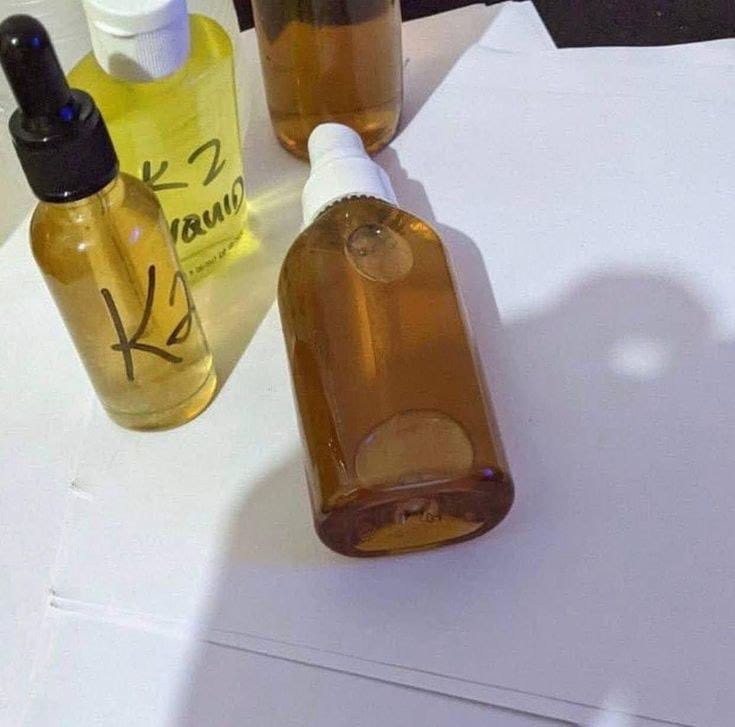
- Packaging: The resulting liquid is transferred into unlabelled aerosol cans, travel-sized pump bottles, perfume atomizers, or e-liquid dropper bottles.
- Application: These bottles are typically marketed online or through illicit channels for the purpose of spraying liquid onto inert plant matter, paper sheets, or vaping carrier liquids (propylene glycol/vegetable glycerin).
Because these liquid solutions are volatile and unstandardized, the active chemical concentration varies wildly from bottle to bottle—and even from spray to spray.
3. Toxicity and Medical Hazards of Liquid Sprays
1. Inconsistent Concentration and “Hotspots”
When a liquid spray is applied to plant material, paper, or electronic vaping devices, the solvent begins to evaporate, leaving raw chemical crystals behind. Because manual spray bottles produce uneven droplet sizes, concentrated clusters of chemical compounds form in specific areas. These are known as hotspots.
A single spray from a bottle might release a minimal dose, while a second spray from the exact same bottle could deliver a lethal, highly concentrated dose. Users have no way of measuring or verifying the milligram dosage of active chemicals they are applying or absorbing.
2. Solvent Toxicity and Inhalation Risks
In addition to the inherent toxicity of the synthetic cannabinoid itself, the solvents used to dissolve the powders pose severe health risks. Inhaling or ingesting residual acetone, industrial alcohols, or synthetic impurities can cause:
- Direct chemical burns to the respiratory tract
- Pulmonary edema (fluid buildup in the lungs)
- Central nervous system depression
- Severe nausea, chemical headaches, and liver toxicity
3. Acute Systemic Health Effects
Exposure to synthetic cannabinoid sprays triggers widespread, multi-organ physiological distress:
| Affected Body System | Acute Symptoms & Medical Complications |
| Cardiovascular System | Severe tachycardia (rapid heart rate), dangerous spikes in blood pressure (hypertension), cardiac arrhythmia, myocardial infarction (heart attack), and sudden cardiac arrest. |
| Central Nervous System | Extreme agitation, acute delirium, severe paranoia, auditory/visual hallucinations, muscle tremors, physical seizures, loss of consciousness, and coma. |
| Renal & Metabolic | Acute kidney injury (AKI) caused by direct chemical toxicity, severe dehydration, and breakdown of muscle tissue (rhabdomyolysis). |
| Psychiatric System | Prolonged psychosis, extreme anxiety attacks, suicidal ideation, and persistent psychological distress long after chemical exposure ends. |
4. Legal Status and Enforcement Frameworks
Governments and international regulatory bodies have enacted strict legal controls to classify, restrict, and criminalize synthetic cannabinoid liquids and spray products.
The Federal Analogue Act (United States)
In the United States, early regulatory enforcement focused on scheduling specific chemical compounds by name. However, clandestine laboratories constantly altered minor molecular structures to stay ahead of statutory lists.
- Any chemical substance that is “substantially similar” in chemical structure or pharmacological effect to a Schedule I or II controlled substance is automatically treated as a Schedule I illicit drug if intended for human consumption or recreational distribution.
State and Local Statutes
Individual states have implemented comprehensive laws banning synthetic cannabinoid compounds, liquid solutions, and spray delivery mediums. Possession, manufacturing, distribution, or shipping of K2 spray bottles carries felony criminal penalties, including substantial prison sentences, forfeiture of assets, and heavy fines.
5. Deceptive Marketing and Fraudulent Online Claims
Search queries related to terms like “buy k2 spray online,” “k2 liquid spray bottle,” or “spice spray for sale” frequently lead to deceptive, unregulated websites. Consumers and researchers should be aware of the operational risks associated with these platforms.
1. Financial Fraud and Scams
The majority of portals advertising illegal liquid sprays online operate as fraudulent scams. Because purchasers cannot seek legal remedies for failed transactions involving illicit substances, these platforms collect non-refundable payment methods (such as cryptocurrency, gift cards, or untraceable money transfers) and fail to deliver any product. Furthermore, these sites often serve as vectors for financial identity theft and malware.
2. Lethal Contaminants and Adulterants
Samples of illicit liquid sprays seized by law enforcement and analyzed in forensic laboratories frequently reveal unlisted, highly toxic adulterants. To cut costs or boost potency, manufacturers may mix synthetic cannabinoids with dangerous additives, including synthetic opioids (such as fentanyl analogues), heavy metals, industrial solvents, and toxic dyes.
6. Overdose Response and Medical Intervention
Recognizing the signs of a synthetic cannabinoid reaction can save lives. Because synthetic cannabinoids act with extreme potency on CB1 receptors, medical emergencies can develop within seconds to minutes following exposure.
Warning Signs of Synthetic Cannabinoid Overdose
Seek immediate emergency medical attention if an individual shows any of the following symptoms:
- Uncontrollable shaking, body stiffness, or physical seizures
- Chest pain, rapid or irregular heart rate
- Unresponsiveness, deep confusion, or loss of consciousness
- Extreme panic, violent agitation, or severe psychotic hallucinations
- Continuous vomiting or blue/pale discoloration of the lips and skin
Emergency Actions to Take
- Call Emergency Services (911): Request immediate emergency medical assistance. Inform the dispatcher that the individual may have been exposed to a synthetic chemical or unknown substance.
- Prioritize Physical Safety: If the individual is experiencing severe agitation or seizures, clear the surrounding area of hard or sharp objects to prevent physical injury.
- Maintain Airway: If the person is unconscious or vomiting, place them on their side in the recovery position to prevent choking.
- Be Honest with First Responders: Provide medical personnel with any available context or packaging. Medical professionals prioritize saving lives and require accurate information to administer appropriate supportive care, such as intravenous fluids, anti-seizure medications, and cardiac monitoring.
                          [ RECOVERY POSITION ]
                                    |
          +-------------------------+-------------------------+
          |                                                   |
  [ ROLL ONTO SIDE ]                                  [ TILT HEAD BACK ]
Prevents airway obstruction from                    Keeps respiratory tract open
fluid accumulation or vomiting                      and allows clear breathing
7. Substance Dependency and Recovery Support
Professional Treatment Resources
Confidential, zero-judgment assistance is available 24 hours a day, 7 days a week:
- SAMHSA’s National Helpline (USA): Call 1-800-662-HELP (4357) or text “HOME” to 741741 to connect with the Crisis Text Line. The Substance Abuse and Mental Health Services Administration offers free, confidential support and treatment referrals.
- Poison Control Center: Call 1-800-222-1222 to speak directly with toxicology experts for immediate guidance regarding accidental exposure incidents.
- International Health Resources: Individuals outside the United States should consult their local national health service, poison control agency, or public hospital for localized crisis assistance.
Frequently Asked Questions (FAQs)
What is a K2 Spice spray bottle?
A K2 Spice spray bottle is an unlabelled pump or aerosol container filled with a liquid solution of synthetic cannabinoids dissolved in organic solvents like acetone or alcohol. It is used in illicit markets to apply synthetic chemicals onto plant material or paper.
Why are liquid sprays more dangerous than original synthetic plant blends?
Can you identify what chemical is inside a liquid spray bottle by sight or smell?
No. Synthetic cannabinoids are colorless, odorless chemical powders when dissolved in liquid solvents. It is impossible to determine the identity, concentration, or toxicity of a liquid spray without advanced laboratory equipment like Gas Chromatography-Mass Spectrometry (GC-MS).
Is it legal to buy or sell K2 spray bottles online?
No. Under federal laws such as the Federal Analogue Act, as well as individual state statutory codes, synthetic cannabinoids and their liquid solutions are classified as Schedule I controlled substances. Buying, selling, shipping, or possessing them is a federal and state crime.
Conclusion: Public Health and Informed Decision-Making
The emergence of liquid delivery systems like K2 Spice spray bottles represents an ongoing hazard within the landscape of novel psychoactive substances. What is often falsely advertised online as a legal or safe liquid product is, in reality, an unregulated, highly potent chemical mixture capable of causing severe physiological damage, organ failure, and fatal overdose.
Addressing the risks of synthetic cannabinoids requires continuous public education, transparent toxicological reporting, strict regulatory oversight, and accessible, compassionate harm-reduction support. Prioritizing evidence-based information and personal health remains the most effective protection against the dangers of synthetic chemical compounds.


