HERBAL INCENSE
The Dangers of Herbal Incense Products
May
Table of Contents
This guide is for everyone who has encountered these products — on a gas station shelf, in a friend’s apartment, in a child’s backpack, or in a hospital emergency department. It explains what herbal incense products actually are, what is actually in them, what they actually do to the human body, and what the evidence says about how to respond — as individuals, as families, and as communities.
The name “herbal incense” is a legal and commercial fiction designed to obscure a simple reality: these products are drugs. They are powerful, unpredictable, and dangerous drugs — more dangerous in many respects than the substances they are marketed as alternatives to. Understanding that gap between name and reality is the first step toward protecting yourself and the people you care about.
1. What Are Herbal Incense Products Really?
Herbal incense products — sold under names like Spice, K2, Black Mamba, Mojo, Scooby Snax, and hundreds of others — are commercially produced smoking products that combine two components: an inert plant material base, and a psychoactive chemical compound applied to that base.
The plant material itself — which may be dried damiana, marshmallow leaf, rose petals, or any number of other botanicals — is pharmacologically irrelevant. It does not contribute to the product’s effects in any meaningful way. It is simply a vehicle: something that can be smoked, that looks organic and natural, and that provides the product’s “herbal” aesthetic. The plant material is to herbal incense what the sugar cube was to early LSD distribution — a carrier, nothing more.
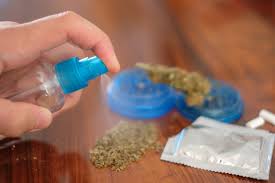
The active ingredient is a synthetic cannabinoid compound — a human-made chemical designed to activate the same receptors in the brain that THC, the active compound in natural cannabis, targets. These compounds are dissolved in a solvent and sprayed onto the plant material, which is then dried, packaged in foil envelopes, and sold as incense or potpourri.
The “not for human consumption” label that appears on virtually every herbal incense product is a legal disclaimer designed to create regulatory distance between the product and drug laws. It does not reflect how the product is actually used. Herbal incense products are almost universally purchased for smoking — and everyone involved in the supply chain, from manufacturer to retailer to consumer, knows it.
700+Distinct synthetic cannabinoid compounds identified in herbal incense products
2×ER visits for herbal incense doubled in a single two-year period in the U.S.
0Approved antidotes exist for synthetic cannabinoid overdose anywhere in the world
2. The History: From Legitimate Research to Mass Market Danger
The history of herbal incense products is, paradoxically, a story that begins in the most legitimate scientific settings. The synthetic cannabinoid compounds that power these products were not invented by drug manufacturers — they were created by academic pharmacologists studying the brain’s endocannabinoid system.
1970s – 1990s
Academic Research Creates the Compounds
Researchers at universities including Clemson, Northeastern, and others synthesize cannabinoid-receptor-binding compounds for neuroscience research. These research tools — the JWH series, AM series, and others — are published in peer-reviewed scientific literature with full chemical structures. They are never intended for human consumption.
2002 – 2006
Clandestine Manufacturers Read the Papers
Illicit manufacturers — primarily in Eastern Europe and China — access the published research and begin synthesizing the compounds for commercial sale. The first commercial herbal incense products appear in Europe, marketed as legal alternatives to cannabis.
2008 – 2010
Products Reach the U.S. Market
Herbal incense products including K2 and Spice arrive in American convenience stores, gas stations, and head shops. Sales grow rapidly. Emergency rooms begin seeing unusual presentations they cannot immediately identify. Poison control centers begin receiving calls.
2012
Federal Response: Synthetic Drug Abuse Prevention Act
Congress schedules 26 synthetic cannabinoid compounds under Schedule I. Manufacturers respond within months by introducing structurally modified compounds — new enough to evade scheduling, pharmacologically similar enough to produce effects. The arms race begins in earnest.
2013 – 2018
Third and Fourth Generation Compounds Emerge
New compound generations — more potent, more dangerous, and often less well-characterized — enter the market faster than regulatory responses can schedule them. Mass overdose events begin occurring in cities globally. Emergency medicine adapts to a new normal.
2018 – Present
Contamination Crises and Evolving Market
The 2018 brodifacoum contamination outbreak affects 300+ people across multiple states. The market continues evolving — vaping formats proliferate, new compounds emerge, and the regulatory gap remains structurally unresolved despite decades of legislative effort.
3. What’s Actually Inside: Ingredients and Active Compounds
Consumer understanding of what herbal incense products contain is extremely poor — a condition that manufacturers have deliberately cultivated through vague, misleading, and legally strategic labeling. This section explains what these products actually contain and why the ingredient reality matters so much for understanding the risk.
The Plant Material Base
The dried botanical material visible in herbal incense products varies between manufacturers and even between batches from the same manufacturer. Common plant materials include damiana (Turnera diffusa), a mild herb with minimal pharmacological activity; marshmallow leaf (Althaea officinalis); mullein (Verbascum thapsus); passion flower (Passiflora incarnata); and various other dried botanicals chosen primarily for their appearance and combustion properties rather than any pharmacological contribution.
In some products, synthetic material — shredded paper, synthetic fiber, or chemically treated plant matter — is used in place of or in addition to genuine botanical material. The “herbal” description is, in these cases, not even superficially accurate. The plant material, whether genuine or synthetic, functions solely as a vehicle for delivering the active compound into the lungs via combustion.
The Synthetic Cannabinoid Compounds
The active ingredients in herbal incense products are synthetic cannabinoid compounds — human-made molecules that activate the brain’s cannabinoid receptors. More than 700 distinct synthetic cannabinoid compounds have been identified in herbal incense products by forensic laboratories worldwide. The specific compound present in any given product is not disclosed on packaging, changes between batches without notification, and may be entirely different from what was present in previously purchased products under the same brand name.
Early generation synthetic cannabinoids (JWH-018, JWH-073, CP-47,497) have been largely scheduled and are less commonly found in current products. Later generations — including AB-CHMINACA, AB-PINACA, AMB-FUBINACA, and compounds in the 5F- family — are more potent, more varied in their pharmacological profiles, and less well-characterized in terms of human safety. Some have binding affinities at CB1 receptors hundreds of times greater than THC.
Solvents and Carriers
The synthetic cannabinoid compound must be dissolved in a solvent before being applied to the plant material. Common solvents include acetone, ethanol, and various organic compounds. In many products, these solvents are incompletely evaporated before packaging, meaning consumers are inhaling combustion products of solvent residue in addition to the synthetic cannabinoid itself. The health implications of inhaling these combustion products are not well characterized.
Undisclosed Adulterants
As documented extensively in our previous pieces in this series, herbal incense products may contain adulterants including opioids, benzodiazepines, heavy metals, pesticides, and in the 2018 brodifacoum outbreak, rat poison anticoagulant. These adulterants are present without disclosure and without consumer awareness, transforming an already unpredictable product into a genuinely uncontrollable one.
The Labeling Reality
A typical herbal incense product lists ingredients such as “damiana leaf, passion flower, lion’s tail, blue lotus” — all genuine botanicals with negligible pharmacological activity. The actual active ingredient — a synthetic cannabinoid compound that may be hundreds of times more potent than THC — is not listed, because listing it would constitute an admission that the product is a drug. The ingredient list is designed to support the “natural herbal product” fiction, not to inform consumers.
4. The “Natural” and “Safe” Myths — Debunked
The marketing of herbal incense products relies on a set of persistent myths that have proven extraordinarily durable despite being thoroughly contradicted by evidence. Understanding why these myths are false is essential for accurate risk assessment.
| The Myth | The Reality |
|---|---|
| “It’s natural — it’s made from herbs” | The herbs are irrelevant. The active ingredient is a synthetic chemical compound with no relationship to any plant. “Natural” applies to the packaging material, not the drug. |
| “It’s legal, so it must be safe” | Legal status reflects regulatory lag, not safety evidence. Many specific synthetic cannabinoid compounds are now illegal; those that aren’t are in a gray area because regulation hasn’t caught up, not because they’ve been assessed as safe. |
| “It’s just like cannabis but legal” | Synthetic cannabinoids are full agonists at CB1 receptors; THC is a partial agonist. This pharmacological difference produces dramatically more severe and unpredictable effects. The comparison to cannabis is false and dangerous. |
| “I’ve used it before without problems” | Prior safe use provides no protection against future harm. Batch composition changes without notice, hotspot distribution means dose varies within the same package, and compound tolerance changes over time. |
| “It won’t show on a drug test” | Standard tests don’t detect it — but the drug is still present and still damaging. Evading a test does not evade the cardiac event, seizure, or kidney failure. Specialized tests used in clinical settings can detect synthetic cannabinoids. |
| “The label says not for human consumption — so it’s safe as incense” | The label is a legal fiction. No one purchases herbal incense products to freshen their home. Courts have consistently found the label does not create legal protection when products are obviously sold and used as drugs. |
| “Only people in bad health get seriously hurt” | Cardiac arrests, acute psychosis, and kidney failure from herbal incense have been documented in young, healthy, first-time users with no prior medical or psychiatric history. |
5. What Herbal Incense Does to Your Body
The physical health consequences of herbal incense use range from the uncomfortable to the catastrophic. Because the endocannabinoid system — the receptor network that synthetic cannabinoids disrupt — is distributed throughout the body, harm is not confined to any single organ. Multiple systems are affected simultaneously, often with compounding effects.
Cardiovascular System
Tachycardia exceeding 150 beats per minute, dangerous hypertension, ventricular arrhythmias, myocardial infarction in young and otherwise healthy individuals, and cardiac arrest have all been documented. Cardiovascular complications are among the most acutely life-threatening and have caused confirmed deaths in users with no prior heart disease.
Brain & Central Nervous System
Seizures, acute psychosis, disorientation, altered consciousness, coma, and stroke have been documented in acute presentations. Long-term neuroimaging studies show white matter changes and hippocampal atrophy in heavy users, corresponding to measurable cognitive deficits.
Kidneys
Acute kidney injury requiring dialysis has been documented in cluster outbreaks linked to specific batches. Some cases have resulted in permanent kidney damage. The mechanism appears to involve direct nephrotoxicity from the synthetic compounds or their metabolites.
Lungs & Respiratory System
Direct pulmonary damage from combustion products, respiratory depression in overdose, and aspiration pneumonia from vomiting during impaired consciousness. Products sold in vaping formats have been associated with acute lung injury similar to the EVALI syndrome.
Musculoskeletal System
Severe muscle rigidity and rhabdomyolysis — the breakdown of muscle tissue releasing myoglobin into the bloodstream — have been documented in overdose cases. Rhabdomyolysis compounds kidney injury risk significantly.
Blood & Coagulation
The 2018 brodifacoum contamination outbreak produced life-threatening bleeding disorders in 300+ people. Synthetic cannabinoid products have also been found adulterated with other anticoagulants. Unexplained bleeding in a user of herbal incense should prompt immediate emergency evaluation.
Gastrointestinal System
Severe nausea and vomiting are extremely common. Vomiting during impaired consciousness creates aspiration risk. Some users develop cyclical vomiting syndromes similar to those associated with heavy cannabis use but reportedly more severe.
Endocrine System
The endocannabinoid system regulates glucose metabolism, stress hormone release, and reproductive hormones. Disruption from chronic use has been associated with metabolic dysregulation, though long-term endocrine effects are not yet comprehensively characterized.
6. What Herbal Incense Does to Your Brain and Mental Health
The neurological and psychiatric consequences of herbal incense use are among its most serious and most underappreciated dangers. The brain effects range from acute psychiatric crises to lasting structural changes — and they can occur in people with no prior psychiatric history, sometimes after a single use.
Acute Psychiatric Effects
Full agonism at CB1 receptors — the pharmacological property that distinguishes synthetic cannabinoids from natural THC — produces neurological disruption of a different order than cannabis intoxication. The acute psychiatric presentations documented in emergency settings include: full psychotic episodes with hallucinations and paranoid delusions indistinguishable in the acute phase from schizophrenia; extreme agitation and aggression that can make patients dangerous to themselves and others; profound anxiety and panic that experienced users describe as the most frightening experience of their lives; and acute confusional states involving complete disconnection from reality.
A critical and underappreciated point: these acute psychiatric presentations have been documented in first-time users with no prior psychiatric history. The vulnerability to synthetic cannabinoid-induced psychosis does not appear to require a pre-existing condition to manifest.
Depression and Mood Effects
Regular users of herbal incense products report significant depressive symptoms, emotional blunting, and anhedonia — the inability to feel pleasure — that can persist for weeks to months after stopping use. The neurobiological basis for these effects is the chronic downregulation of the endocannabinoid system’s normal functioning that occurs in response to repeated supramaximal stimulation by synthetic cannabinoid compounds. The ECS plays a central role in mood regulation, and its disruption produces mood consequences that outlast the intoxication period substantially.
Cognitive Effects
Memory impairment, reduced processing speed, difficulty with attention and concentration, and impaired executive function have been documented in regular herbal incense users through both self-report and objective neuropsychological testing. Neuroimaging studies have found structural changes — hippocampal volume reduction, white matter tract abnormalities — that correspond to these functional deficits. Some of these changes appear to persist for months to years after use stops, raising serious questions about long-term cognitive consequences in heavy users.
Dependence and Withdrawal
Herbal incense products produce physical dependence with a withdrawal syndrome that is more severe than natural cannabis withdrawal and has been compared by some clinicians to opioid withdrawal in terms of subjective distress. Withdrawal symptoms include severe anxiety and panic, profuse sweating, nausea and vomiting, tremors and muscle cramps, heart palpitations, insomnia, and intense cravings. The severity of withdrawal is a primary driver of continued use in dependent individuals — not because the experience is pleasurable (which it often is not, particularly later in a period of heavy use) but because stopping feels physically unbearable.
“We see patients who are genuinely terrified of the drug and genuinely unable to stop using it — not because they want to use it, but because not using it has become acutely medically unbearable. That is the definition of physical dependence, and it is what we are seeing with synthetic cannabinoids.”Emergency Medicine Physician, published clinical commentary, 2022
7. Product Landscape: Brands, Forms, and What They Contain
The herbal incense market is not a single product category — it is a diverse and constantly evolving ecosystem of brands, formats, and formulations. Understanding this landscape helps consumers, parents, educators, and healthcare workers recognize what they are looking at.
Classic Foil Pack Products
High Risk
The original and still most common format. Dried plant material in foil envelopes sold as incense or potpourri. Brand names including K2, Spice, Black Mamba, Mojo, Scooby Snax. Active compound unknown without testing. Hotspot risk significant.
Vaping Liquids
Very High Risk
Synthetic cannabinoid dissolved in propylene glycol for use in e-cigarettes. Increasingly common. Visually indistinguishable from legitimate vaping products. Associated with higher rates of severe adverse events. Cannot be smelled or identified without testing.
Branded “Wellness” Products
Variable Risk
Products marketed as functional mushroom blends, adaptogenic herbs, or nootropic supplements. May be genuinely non-psychoactive, may contain muscimol from Amanita muscaria, or may contain other psychoactive compounds. Label claims unreliable without testing.
Genuine Herbal Incense
Low Risk
Legitimate aromatherapy products containing natural botanicals — lavender, sandalwood, frankincense — intended for burning in an incense burner. These products are genuinely what herbal incense products claim to be. Distinguished by natural botanical scent, transparent ingredient lists, and no drug-related marketing.
How to Tell Products Apart
Distinguishing dangerous synthetic cannabinoid herbal incense from legitimate botanical products requires attention to several markers. Dangerous products typically: are sold in convenience stores or gas stations alongside tobacco; have bright, cartoonish, or youth-oriented packaging; have names referencing energy, power, or altered states; are priced per unit in quantities suggesting single-use purchase; have chemical or artificial smells beneath added fragrance; and have “not for human consumption” disclaimers on packaging that is otherwise clearly designed for a drug market.
Legitimate herbal incense products: are sold in dedicated aromatherapy or home fragrance retailers; list natural botanical ingredients transparently; have no drug-related marketing language or imagery; are packaged in quantities suited to room fragrance use; and smell like the natural botanicals they contain.
8. Who Is Most at Risk and Why
Herbal incense products do not affect all populations equally. Understanding who is most vulnerable guides both prevention and response efforts toward where they are most urgently needed.
Young People
Adolescents and young adults are disproportionately represented in herbal incense use surveys and emergency room data. Marketing that uses youth-oriented aesthetics, the perception of legal status and natural ingredients, the lower price point compared to cannabis, and the inability of standard drug tests to detect synthetic cannabinoids all contribute. The developing brain’s heightened sensitivity to cannabinoid system disruption means the neurological and psychiatric consequences for young users are more severe and more lasting than for adults.
People Seeking to Evade Drug Testing
A significant proportion of herbal incense users are motivated primarily by the desire to avoid detection on standard urine drug screens — people on probation, in drug-tested employment, or subject to athletic or military testing. The substitution of synthetic cannabinoids for natural cannabis to evade testing represents a genuine public health paradox: the effort to avoid consequences of cannabis use exposes the individual to a substance that is dramatically more dangerous.
People Experiencing Homelessness
As detailed in Chapter 4 of our Communities guide, homeless populations face extreme overrepresentation in herbal incense use statistics globally. Cost, availability, and the role of substances in managing the unbearable conditions of street homelessness drive this concentration. Mass overdose events disproportionately affect homeless communities.
People with Underlying Mental Health Conditions
Individuals with depression, anxiety disorders, PTSD, and other mental health conditions are more likely to experience severe adverse psychiatric effects from herbal incense use. They are also, through the mechanism of self-medication, disproportionately drawn to these products. This creates a tragic alignment between those most likely to be seeking relief and those most likely to be seriously harmed by the method of relief they choose.
9. Recognizing and Responding to an Herbal Incense Emergency
Herbal incense overdose is a medical emergency. There is no antidote. Treatment is supportive — managing symptoms as they emerge while the compound metabolizes. Rapid professional medical response is the single most important factor in preventing serious adverse outcomes.
Warning Signs That Require Immediate Emergency Response
Call 911 immediately if someone using herbal incense products experiences any of the following: loss of consciousness or inability to be roused; seizure or convulsive movements; chest pain, pressure, or racing heart; breathing that is labored, shallow, or stopped; vomiting in a person who is not fully conscious (aspiration risk); extreme agitation that makes the person a danger to themselves or others; complete disconnection from reality or inability to communicate; face drooping, sudden arm weakness, or slurred speech (stroke signs); or unexplained bleeding from any site.
What to Do While Waiting for Help
Do not leave the person alone. If they are unconscious but breathing, place them in the recovery position on their side to prevent aspiration if they vomit. Do not attempt to restrain an agitated person physically unless they are in immediate danger of harming themselves — restraint of a person experiencing stimulant-induced agitation can worsen cardiac stress significantly. Do not give food, water, or any other substances. Tell emergency responders what product was used if known — this helps with clinical management even if the specific compound cannot be identified.
Tell Emergency Responders
Standard urine drug screens do not detect synthetic cannabinoids. Emergency physicians treating herbal incense cases often do not know what compound is involved. Any information you can provide — what product was used, approximately how much, what time, and what symptoms appeared first — helps medical responders provide better care and may be critical to a good outcome.
Do Not Wait
The most dangerous decision in a herbal incense overdose situation is to wait and see. The absence of an antidote and the potential for rapid deterioration from manageable intoxication to life-threatening crisis means that the time between recognizing something is wrong and calling 911 directly affects outcomes. When in doubt, call. Good Samaritan laws in most U.S. states provide some protection from prosecution for people who call 911 to report a drug-related emergency.
10. Legal Status: Why “Sold Legally” Doesn’t Mean Safe
The legal status of herbal incense products is one of the most confusing aspects of the topic for consumers — and one of the most deliberately obscured by manufacturers. The simple summary: many specific synthetic cannabinoid compounds are now federally and state-scheduled as controlled substances; some are in legal gray areas because regulation has not caught up with manufacturing; and all of them — scheduled or not — pose serious health risks that legal status does not modify in any way.
Products sold openly in convenience stores under “herbal incense” or “potpourri” labeling may contain compounds that are technically unscheduled — manufacturers have learned to stay ahead of specific compound scheduling by modifying molecular structures. This does not mean these products are safe. It means manufacturers are faster at chemical modification than regulators are at scheduling. The legal gap is a commercial strategy, not a safety certification.
For a comprehensive treatment of the legal landscape — federal scheduling, state variations, the Federal Analogue Act, and international comparisons — see our dedicated piece “Synthetic Spray Legality: A Comprehensive Legal & Public Health Guide” in this series.
Key Legal Fact
Products sold as “herbal incense” or “potpourri” that contain psychoactive synthetic cannabinoid compounds may be prosecuted under the Federal Analogue Act even if the specific compound is not yet scheduled — if prosecutors can demonstrate the substance is substantially similar to a scheduled drug and intended for human consumption. The “not for human consumption” label is not a reliable legal defense and has been rejected by courts when the full context of sale and use makes the drug purpose clear.
11. Policy Responses: What Works and What Doesn’t
Two decades of policy responses to herbal incense products have generated meaningful evidence about what actually reduces harm and what does not. That evidence does not support simple conclusions — neither pure enforcement nor pure harm reduction has proven comprehensively effective — but it does point clearly in some directions.
What Has Not Worked Well
Compound-specific scheduling has consistently failed to keep pace with the market it is trying to regulate. By the time a specific synthetic cannabinoid compound is identified, tested, and scheduled — a process that takes months to years — manufacturers have introduced new variants. The market has proven consistently more agile than the regulatory response.
Retail enforcement targeting specific products has had similar limitations. Removing a specific brand from convenience store shelves displaces rather than eliminates the market — products resurface under new names, through new retail channels, or through online sales. Without addressing the supply chain at a manufacturing and import level, retail enforcement produces temporary displacement rather than lasting reduction.
What Has Shown More Promise
Class-based scheduling — prohibiting families of chemical compounds based on structural features rather than specific molecules — has proven more durable than compound-specific approaches in jurisdictions that have implemented it carefully. The United Kingdom’s Psychoactive Substances Act 2016, which prohibits the commercial sale of all psychoactive substances rather than listing specific compounds, eliminated the retail head shop market for synthetic cannabinoids almost immediately after passage, though online and underground markets adapted.
Harm reduction approaches — substance testing services, accurate educational materials, naloxone distribution for cases involving opioid co-contamination — reduce acute harm even when they do not reduce use. Treating overdose as a medical event rather than a criminal one reduces barriers to emergency care-seeking and saves lives. Addressing the underlying conditions that drive herbal incense use — homelessness, untreated mental health conditions, poverty, lack of legitimate recreation — produces more durable reductions in use than any drug-specific intervention.


