Uncategorized
Is THCA Real or Synthetic?
Aug
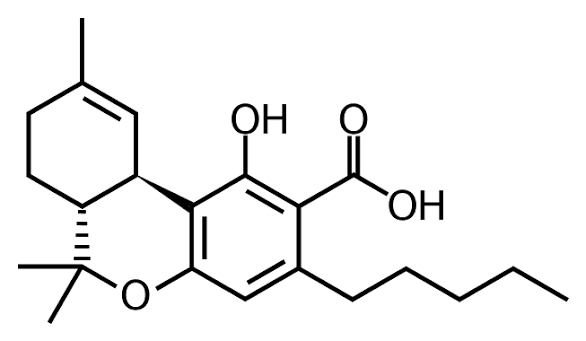
Yes, THCA is real, and it is a naturally occurring cannabinoid. THCA stands for tetrahydrocannabinolic acid and is found naturally in fresh, raw cannabis plants. It is not classified as a synthetic cannabinoid like the laboratory-made compounds commonly associated with K2 or Spice.
What Is THCA?
THCA is one of the cannabinoids naturally produced by cannabis plants. In the living plant, much of the cannabinoid content exists in acidic forms. THCA is the acidic precursor to Delta-9 THC, the well-known intoxicating cannabinoid.
The important distinction is that THCA and Delta-9 THC are chemically related but are not the same compound.
How Does THCA Become Delta-9 THC?
When cannabis containing THCA is exposed to sufficient heat, THCA undergoes a chemical process called decarboxylation. During this process, THCA loses a carboxyl group and converts into Delta-9 THC.
This is why heating cannabis can significantly change its cannabinoid profile.
In simplified terms:
THCA → heat → Delta-9 THC
This natural chemical relationship is one of the main reasons THCA is often discussed alongside Delta-9 THC.
Is THCA a Synthetic Cannabinoid?
No. THCA itself is a naturally occurring cannabinoid.
Synthetic cannabinoids are generally man-made chemicals designed to interact with cannabinoid receptors in the body. Some compounds sold under names such as K2 or Spice belong to this category. Their chemical structures can differ substantially from naturally occurring cannabinoids such as THCA and Delta-9 THC.
It is important to distinguish the identity of a chemical compound from the method used to manufacture or isolate it. A cannabinoid can be isolated, purified, or manufactured using laboratory processes without automatically becoming a “synthetic cannabinoid” in the K2/Spice sense.
Why Is THCA Sometimes Confusing?
THCA can be confusing because products may be marketed using terms such as THCA flower, THCA concentrates, hemp-derived THCA, and THCA products. Additionally, THCA can convert into Delta-9 THC when heated.
Another source of confusion is the phrase “synthetic THCA.” The production method should be considered separately from the chemical classification. The fact that a substance is processed or manufactured does not by itself mean it belongs to the synthetic-cannabinoid category.
THCA vs. Delta-9 THC vs. Synthetic Cannabinoids
| Compound | Naturally occurring? | Synthetic cannabinoid? |
|---|---|---|
| THCA | Yes | No |
| Delta-9 THC | Yes | No |
| CBD | Yes | No |
| K2/Spice-type compounds | Generally no | Yes |
What THCA Actually Is
THCA stands for tetrahydrocannabinolic acid, and it is entirely real and entirely natural. It’s not a synthetic invention — it’s actually the original form that THC takes inside a living cannabis plant. As the plant grows, specialized enzymes convert cannabigerolic acid (CBGA) into various cannabinoid acids, and THCA is one of the main products of that process. In raw, unprocessed cannabis flower, THCA typically makes up the overwhelming majority of the plant’s cannabinoid content — often well over 80% — while actual Delta-9 THC exists only in trace amounts.
Here’s the part that trips a lot of people up: in its raw acidic form, THCA is non-intoxicating. It doesn’t bind efficiently to the CB1 receptors in your brain the way THC does, so eating a raw cannabis leaf or a raw bud won’t get you high. THCA only converts into psychoactive Delta-9 THC through a process called decarboxylation — essentially, applying heat, which knocks a carboxyl group off the molecule and reshapes it into the THC most people are familiar with. This is why smoking, vaping, or cooking cannabis produces intoxicating effects, while eating the raw plant does not.
So when a THCA product’s label boasts “34% THCA,” that’s an accurate description of what’s actually in the raw or minimally processed flower — it just becomes intoxicating once you light it up.
Why the “Is It Synthetic?” Question Keeps Coming Up
The confusion around THCA isn’t really about the molecule itself — it’s guilt by association. Over the last several years, the hemp market has been flooded with cannabinoids like Delta-8 THC, Delta-10 THC, and HHC, most of which exist in the cannabis plant only in trace, practically unusable amounts. To make sellable quantities, manufacturers chemically convert abundant CBD into these compounds using solvents and catalysts in a lab. Because that conversion process introduces unknown byproducts and inconsistent quality, “lab-made hemp cannabinoid” has become something of a red flag for consumers, and understandably so.
THCA got swept into that same skepticism simply because it’s an unfamiliar acronym that showed up on shelves around the same time. But the manufacturing story is different. THCA-dominant hemp flower is grown, not converted — it’s essentially cannabis flower bred and cultivated to stay under the legal 0.3% Delta-9 THC threshold while carrying high total THCA content. No chemical conversion process is required to produce it; the plant does that work on its own through its normal enzymatic pathway.
Independent testing (via a Certificate of Analysis, or COA) can confirm whether a given batch is genuinely plant-derived rather than adulterated with synthetic additives, which is generally the more reliable way to verify a product than relying on marketing copy alone.
It’s worth noting, for the sake of completeness, that researchers have demonstrated the ability to produce THCA synthetically in engineered yeast at a laboratory research scale. But that’s a research curiosity, not how THCA gets into commercial hemp products — the THCA sold in stores today comes from the plant, grown the ordinary way.
The Legal Loophole THCA Exploited — and Why It’s Closing
THCA’s popularity is largely a byproduct of a quirk in federal hemp law. The 2018 Farm Bill defined legal hemp based specifically on Delta-9 THC content — anything under 0.3% Delta-9 THC by dry weight qualified as hemp, regardless of how much THCA the plant contained.
Since standard lab testing methods didn’t always account for the fact that THCA converts into Delta-9 THC when heated, growers could produce flower that was technically compliant on paper (low Delta-9 THC) while still containing 20–35% THCA — flower that gets you every bit as high as traditional marijuana once it’s smoked. This became widely known as the “THCA loophole,” and it’s the reason THCA flower has been sold openly in states where recreational marijuana remains illegal.
That loophole is now closing. Federal legislation enacted in the Continuing Appropriations and Extensions Act, 2026 redefines hemp products based on total THC content rather than Delta-9 THC alone, explicitly folding THCA into that calculation, with an effective date of November 12, 2026. Under the enacted text, the new standard replaces the delta-9-only threshold with a total-THC concentration cap of 0.3% on a dry-weight basis, and it excludes finished hemp products containing more than 0.4 milligrams of combined total THC per container.
Because raw THCA-dominant flower typically tests in the 20–35% range once you account for what it converts into,this change would effectively make virtually all current THCA flower federally illegal, since it would far exceed the new 0.3% total THC limit. State-level rules also vary and are shifting; some states have already tightened restrictions on THCA products ahead of the federal deadline, so what’s available on shelves is likely to keep changing over the second half of 2026.
The Bottom Line
- THCA is a genuinely natural cannabinoid — the plant’s own precursor to THC, not a lab invention.
- It’s non-intoxicating in its raw form and only becomes psychoactive Delta-9 THC after heat (decarboxylation).
- The confusion with “synthetic” mostly comes from its resemblance, in name and market timing, to genuinely lab-converted cannabinoids like Delta-8 and HHC — but THCA-rich flower doesn’t require that kind of chemical conversion to exist.
- The bigger issue with THCA products has never really been whether the compound is natural — it’s that the “low Delta-9, high THCA” loophole let full-strength intoxicating flower be sold as if it were non-psychoactive hemp.
- That loophole is closing under federal rules taking effect November 12, 2026, which will count THCA toward total THC and likely eliminate most current THCA flower and edibles from the hemp market as we know it today.
If you’re buying THCA products in the meantime, the same advice applies as with any hemp-derived cannabinoid: look for third-party lab testing (a current COA) that confirms what’s actually in the product, buy from brands that are transparent about sourcing, and keep an eye on your state’s specific rules, since they’re changing faster than most consumers realize.The Bottom Line
THCA is a real, naturally occurring cannabinoid found in cannabis. It is not a synthetic cannabinoid. Its close chemical relationship with Delta-9 THC explains why THCA receives so much attention: when heated, THCA can undergo decarboxylation and form Delta-9 THC.


