
Uncategorized
K2 Spray Synthetic Weed Paper: What It Is, Risks, Effects & Safety Facts
Sep
Table of Contents
K2 spray synthetic weed paper is a term used to describe paper or plant material associated with synthetic cannabinoid products. These products are sometimes marketed using names such as K2, Spice, synthetic weed, herbal incense, or synthetic marijuana. Despite the terminology, synthetic cannabinoids are not the same thing as naturally grown cannabis.
Interest in K2 spray synthetic weed paper has increased partly because these products can be presented in ways that make them appear similar to ordinary cannabis. However, the appearance or marketing of a product does not reveal exactly which chemicals it contains. Synthetic cannabinoid products can vary considerably from one product or batch to another, making their effects difficult to predict.
Understanding what these products are, why they are different from cannabis, and what risks may be associated with them is important for anyone researching K2 spray synthetic weed paper.
What Is K2 Spray Synthetic Weed Paper?
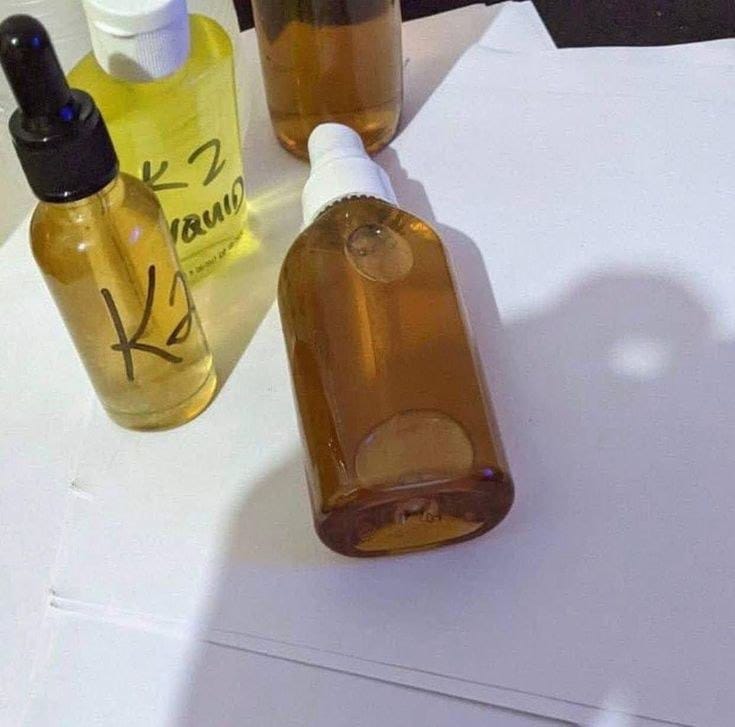
K2 spray synthetic weed paper generally refers to paper that has been associated with liquid synthetic cannabinoid formulations. The term may also be used online to describe paper products that have been treated with or marketed alongside synthetic cannabinoid chemicals.
Synthetic cannabinoids are laboratory-created substances that interact with cannabinoid receptors in the human body. Some were originally developed for scientific research, but illicit manufacturers have produced numerous different compounds for recreational markets.
The word “synthetic” is particularly important.
K2 is not simply cannabis in another form. Natural cannabis contains plant-derived cannabinoids, while synthetic cannabinoid products may contain manufactured chemicals with substantially different properties.
Furthermore, the same name does not necessarily indicate the same chemical formulation.
A product sold as K2 in one location may contain a different substance from another product sold under the same name elsewhere.
Why Is It Called Synthetic Weed?
The term “synthetic weed” is primarily a marketing or informal description.
Some synthetic cannabinoids can interact with the same broad receptor system affected by cannabinoids found in cannabis. This has led to comparisons with marijuana.
However, describing K2 as “synthetic weed” can create a misleading impression that it behaves like cannabis.
The effects can be different, sometimes dramatically so.
Synthetic cannabinoid products may produce intense psychological and physical reactions, and their effects can depend on the particular chemical involved, its concentration, contaminants, and the individual’s circumstances.
For this reason, people should not assume that an experience with cannabis predicts what will happen after exposure to a synthetic cannabinoid.
K2 Paper Is Not the Same as Ordinary Paper
Ordinary paper is primarily a manufactured material made from plant fibers and other processing materials.
K2 spray synthetic weed paper, by contrast, refers to paper associated with a chemical treatment or synthetic cannabinoid product.
This distinction matters because the risks are not simply related to the paper itself. The concern is the unknown or variable chemical material that may be present on it.
A person looking at a piece of treated paper generally cannot determine its exact chemical composition by appearance.
Color, smell, branding, packaging, or texture cannot reliably establish what substances are present.
Why Chemical Composition Matters
Synthetic cannabinoids are not one single chemical.
There are many different synthetic cannabinoid compounds, and new substances have appeared over the years. Manufacturers may also change formulations when particular chemicals become regulated.
Consequently, a product marketed as K2 may not have a consistent composition.
This creates several problems.
First, the strength of the psychoactive effects may vary.
Second, unwanted chemicals or contaminants may be present.
Third, people may have difficulty determining what substance caused a particular reaction.
Finally, information obtained from an older product may not apply to a newer product.
These factors make unknown synthetic cannabinoid products especially difficult to evaluate.
How K2 Differs From Cannabis
K2 and cannabis should not be treated as interchangeable products.
Cannabis is a plant containing naturally occurring cannabinoids and numerous other compounds. Synthetic cannabinoids are laboratory-created substances designed to affect cannabinoid receptors.
Although some synthetic cannabinoids may produce cannabis-like effects, that does not mean they have the same safety profile.
Synthetic compounds can have different potency, duration, receptor activity, and side effects.
Some may produce much stronger reactions than expected.
The biggest practical difference is often unpredictability.
A person may know approximately what to expect from a regulated product with clearly identified ingredients, but an illicit synthetic cannabinoid product can provide far less reliable information about its contents.
Potential Effects of Synthetic Cannabinoids
The effects associated with synthetic cannabinoids can vary substantially.
Reported effects may include:
- Anxiety
- Confusion
- Agitation
- Dizziness
- Drowsiness
- Nausea
- Vomiting
- Rapid heartbeat
- Tremors
- Paranoia
- Hallucinations
- Disorientation
- Loss of coordination
More serious reactions can also occur.
Some people may experience seizures, severe cardiovascular symptoms, extreme agitation, unconsciousness, or other medical emergencies.
Importantly, not everyone will experience the same symptoms.
The particular chemical involved and the person’s individual circumstances can influence the reaction.
Why K2 Can Be Unpredictable
One of the major concerns surrounding synthetic cannabinoids is inconsistency.
With an unidentified or illicit product, there may be no dependable way for a consumer to determine:
- Which synthetic cannabinoid is present
- How concentrated it is
- Whether multiple chemicals are present
- Whether contaminants are present
- Whether the product has changed from a previous batch
- Whether the label accurately describes the contents
This is why assuming that a particular K2 product will produce a predictable experience can be dangerous.
Even if two pieces of paper look identical, they should not automatically be assumed to contain the same chemical material.
Common Marketing Terms Associated With K2
People researching K2 may encounter several different names.
These include:
K2: A commonly used name for synthetic cannabinoid products.
Spice: Another widely used term associated with synthetic cannabinoids.
Synthetic marijuana: A misleading informal term emphasizing perceived similarities to cannabis.
Synthetic weed: Another informal marketing phrase.
Herbal incense: A description historically used for some synthetic cannabinoid products.
K2 paper: A term used for paper products associated with synthetic cannabinoid chemicals.
These names do not establish the actual chemical composition of a product.
The Problem With “Herbal” Labels
The word “herbal” can create a false impression of safety.
A product can contain plant material or be marketed using herbal terminology while also containing laboratory-created chemicals.
Consumers should therefore avoid assuming that a product is safe simply because its packaging uses words such as “herbal,” “natural,” or “incense.”
The important question is what chemicals are actually present and whether those chemicals have been reliably identified and tested.
Can K2 Paper Cause Serious Reactions?
Yes.
Synthetic cannabinoid exposure has been associated with severe physical and psychological reactions.
Potential warning signs include:
- Severe confusion
- Extreme agitation
- Difficulty breathing
- Chest pain
- Seizures
- Loss of consciousness
- Collapse
- Severe vomiting
- Abnormal or very rapid heartbeat
- Unresponsiveness
These symptoms should not be dismissed as an ordinary reaction to cannabis.
If someone develops serious symptoms following suspected synthetic cannabinoid exposure, emergency medical assistance should be sought.
What to Do During a Suspected Adverse Reaction
If someone becomes seriously ill after suspected exposure to K2 or another synthetic cannabinoid, focus on immediate safety.
Move the person away from additional exposure and keep the surrounding environment calm.
Do not attempt to counteract the effects by giving the person alcohol, additional drugs, or other intoxicating substances.
Monitor the person’s condition while seeking appropriate medical assistance.
If the person becomes unconscious, has a seizure, experiences difficulty breathing, develops chest pain, or cannot be awakened, treat the situation as an emergency.
If possible, preserve the original packaging or product information so healthcare professionals can see what was reportedly involved.
Why Mixing Substances Creates Additional Risks
Combining synthetic cannabinoids with other psychoactive substances can make an already unpredictable situation even more difficult to assess.
Alcohol, prescription medications, recreational drugs, and other chemicals can affect the brain, heart, blood pressure, and breathing.
When substances are combined, their effects may interact in unexpected ways.
It can also become harder for medical professionals to determine which substance contributed to particular symptoms.
For these reasons, experimenting with combinations of unknown substances is particularly risky.
K2 Paper and Accidental Exposure
Not every interaction with a K2-related product is necessarily intentional.
People can encounter unidentified paper products through discarded materials, improperly stored products, or unknown substances.
Because the chemical contents cannot be established reliably from appearance alone, unidentified K2-related material should be handled cautiously.
Keep unknown chemical products away from children and pets.
If accidental exposure occurs and symptoms develop, seek appropriate medical advice and provide healthcare professionals with as much information about the product as possible.
Why Packaging Cannot Guarantee Safety
Packaging is not the same thing as independent laboratory testing.
A package may display a product name, colorful graphics, or claims about its ingredients, but those details do not necessarily prove that the contents match the description.
This is particularly relevant to synthetic cannabinoid products because formulations can change rapidly.
People should therefore avoid relying solely on branding when evaluating an unfamiliar chemical product.
Legal Status of Synthetic Cannabinoids
The legal status of synthetic cannabinoids varies by country, state, and jurisdiction.
Authorities have prohibited numerous synthetic cannabinoid compounds, while new compounds have sometimes appeared as manufacturers attempt to circumvent existing restrictions.
As a result, a product advertised online as “legal” may not actually be legal in the location where a person lives.
Laws can also change.
Anyone concerned about the legal status of possession, sale, transportation, or distribution should consult the current regulations applicable to their jurisdiction.
Why “Legal High” Does Not Mean Safe
The phrase “legal high” can be misleading.
A substance being temporarily available for purchase does not prove that it is safe.
Similarly, a product being sold openly does not necessarily mean that it has undergone pharmaceutical-style testing or quality control.
Synthetic cannabinoid products demonstrate why legality and safety should be considered separate questions.
A product can be legally marketed in one location and still present significant health risks.
Frequently Asked Questions
What is K2 spray synthetic weed paper?
K2 spray synthetic weed paper is a term used for paper associated with synthetic cannabinoid products. It is different from ordinary paper and should not be assumed to contain natural cannabis.
Is K2 the same as marijuana?
No. K2 generally refers to synthetic cannabinoids, which are laboratory-created chemicals. Cannabis is a plant containing naturally occurring cannabinoids.
Why is K2 sometimes called synthetic weed?
The phrase comes from the fact that some synthetic cannabinoids can produce effects that resemble certain effects associated with cannabis. However, the substances themselves can be chemically and pharmacologically different.
Can K2 paper contain unknown chemicals?
Yes. Unregulated synthetic cannabinoid products may have uncertain or variable chemical compositions. Product names and packaging do not necessarily establish what is actually present.
Is K2 paper safe to use?
There is no reliable basis for assuming that an unidentified K2 synthetic cannabinoid paper product is safe for human use. The chemical composition and potency may be uncertain.
What are possible K2 side effects?
Potential effects can include anxiety, confusion, agitation, dizziness, nausea, vomiting, rapid heartbeat, paranoia, hallucinations, tremors, and loss of coordination. Severe reactions can also occur.
Can synthetic cannabinoids cause emergencies?
Yes. Severe reactions can involve seizures, breathing problems, chest pain, loss of consciousness, extreme agitation, cardiovascular symptoms, and other serious complications.
Why are synthetic cannabinoids unpredictable?
There are many different synthetic cannabinoid chemicals, and products can vary in formulation, concentration, and contamination. A previous experience with one product does not guarantee the same response to another.
Is “herbal incense” the same as natural herbs?
Not necessarily. Some products marketed as herbal incense have been associated with synthetic cannabinoid chemicals. The term “herbal” does not establish safety or chemical composition.
What should I do if someone has a serious reaction?
Seek emergency medical assistance for symptoms such as seizures, difficulty breathing, chest pain, collapse, unconsciousness, or severe confusion. Avoid giving additional intoxicating substances while waiting for help.
Safer Ways to Approach K2 Information
People often search for K2 because they want to understand what it is, why it is sold, or how it differs from cannabis.
The safest approach is to focus on reliable information rather than promotional claims.
Before trusting information about an unfamiliar synthetic cannabinoid product, consider whether the source provides verifiable information about the chemical ingredients, testing, manufacturer, and applicable regulations.
Be especially cautious about websites that promise guaranteed effects or describe synthetic cannabinoids as completely harmless.
No product description can eliminate the risks associated with an unidentified chemical formulation.
Final Thoughts
K2 spray synthetic weed paper is associated with a category of synthetic cannabinoid products that can be difficult to evaluate because their chemical composition may vary considerably.
Although names such as K2, Spice, synthetic weed, and synthetic marijuana can make these products sound similar to cannabis, they should not be considered equivalent.
The most important issue is uncertainty. An unfamiliar synthetic cannabinoid product may contain chemicals that differ from those found in another product with the same name. Its potency, contaminants, and physiological effects may therefore be difficult to predict.
Anyone researching K2 spray synthetic weed paper should understand that marketing terms such as “herbal,” “incense,” or “legal” do not automatically indicate safety.
Recognizing the potential warning signs of a serious reaction is also important. Symptoms such as seizures, chest pain, difficulty breathing, unconsciousness, severe confusion, or collapse require urgent medical attention.
Ultimately, informed decision-making starts with understanding what synthetic cannabinoids are and why they present different risks from naturally occurring cannabis. Rather than relying on product names or promotional claims, consumers should prioritize accurate information, applicable laws, and personal safety.


