
Uncategorized
What Is K2 Spray and Why Is It So Dangerous?
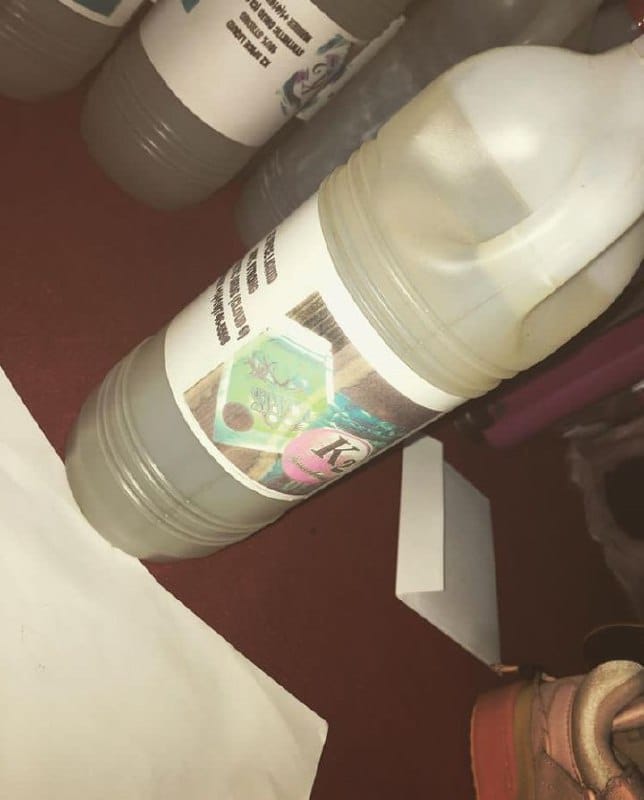
Apr
Understanding K2 spray is not just a matter of curiosity. It is a genuine public health necessity. Parents need to recognize it. Teachers need to explain it. Healthcare workers need to know how to treat it. And anyone who has been tempted to try it — or who knows someone who has — needs accurate information about what it actually does to the human body. That is what this guide provides: clear, science-based, unvarnished facts.
1. What Is K2 Spray?
K2 spray is a form of synthetic cannabinoid — a human-made chemical compound designed to activate the same receptors in the brain that THC, the active compound in natural cannabis, targets. “K2 spray” specifically refers to liquid solutions of these synthetic compounds that are sprayed onto dried plant material, which is then sold and smoked. The term is also used more loosely to refer to the liquid solution itself, which in some markets is sold separately and used to prepare homemade batches of the product.
The plant material onto which K2 is sprayed is pharmacologically inert — it could be oregano, damiana, marshmallow leaf, or virtually any dried botanical. It is simply a vehicle for delivering the synthetic chemical compound into the lungs via smoking. The compound does all the work. The plant material is irrelevant except as a vehicle for combustion and inhalation.
This is a critical point for understanding why K2 spray is so different from natural cannabis. What you are actually consuming when you smoke K2 is not a plant product at all. It is a synthetic chemical — one that was designed in a laboratory, manufactured in a clandestine facility, applied to plant material in a process with no quality control, and packaged to look like something natural and harmless. The word “herbal” on the packaging is deliberately misleading. There is nothing herbal about the active ingredient.
700+Distinct synthetic cannabinoid compounds identified by forensic labs worldwide
100×More potent than THC at cannabinoid receptors in some compound variants
0Approved medical antidotes for K2 overdose exist anywhere in the world
2. Street Names, Forms and How It Circulates
One of the features that makes K2 spray particularly difficult to track — both for law enforcement and for parents or educators trying to recognize it — is the sheer diversity of names and forms under which it circulates. Brand names and street names change constantly, deliberately, to stay ahead of scheduling laws and product bans.
Common Names
K2 and Spice are the two most widely recognized umbrella terms, but neither refers to a specific product. They are generic names applied to an entire category of synthetic cannabinoid products. Other commonly encountered names include: Black Mamba, Mojo, Scooby Snax, Kush (not to be confused with natural cannabis strains), Joker, Kronic, AK-47, Bliss, Cloud 9, Wicked X, Green Giant, Smacked, Barely Legal, Bizarro, and hundreds of regional, local, and constantly evolving variants.
New brand names emerge whenever specific products are banned or when manufacturers release new formulations. The name alone tells you nothing reliable about the compound, the potency, or what to expect. Two products sold under the same brand name in different cities, or even in the same city at different times, may contain entirely different synthetic cannabinoid compounds.
Forms of K2
Sprayed plant material (most common): The traditional form — dried herbs or plant matter sprayed with a synthetic cannabinoid solution and packaged in foil envelopes. Sold and used like cannabis: broken apart and rolled into cigarettes, or smoked in a pipe. The product often has a chemical smell beneath the added fragrance.
Liquid spray (the K2 spray format specifically): The synthetic compound dissolved in a solvent — typically acetone, alcohol, or another organic solvent — and packaged in a small spray bottle. This format is used to create homemade batches of sprayed plant material, or sometimes applied directly to other smokable products. The liquid form creates severe and additional hotspot risks, which are discussed in detail later in this guide.
Vape liquid: Increasingly common. The synthetic compound dissolved in propylene glycol or similar vaping solvents for use in e-cigarettes and vape pens. This form is particularly difficult to detect — it is invisible, often nearly odorless, and indistinguishable in appearance from legitimate vaping products. It has also been associated with some of the most severe adverse events, likely due to the increased dose delivery efficiency of vaping versus smoking.
Laced products: Synthetic cannabinoids have been found in products sold as natural cannabis, CBD flower, tobacco products, and in some documented cases, food items. Consumers may be entirely unaware that what they are consuming contains synthetic cannabinoids.
Recognition Note for Parents and Educators
K2 spray products are specifically designed to look innocuous. Foil packaging with cartoon graphics, bright colors, and names suggesting energy or adventure are intentional marketing choices. The liquid spray form may look identical to a bottle of cologne or air freshener. There is no visual, smell-based, or taste-based reliable method of identification. Laboratory testing is the only way to confirm the presence of specific synthetic cannabinoid compounds.
3. Where It Came From: The Origin Story
K2 spray did not emerge from a drug cartel’s laboratory or from the criminal underground. It emerged from legitimate academic science — a fact that is both ironic and instructive about how publicly available research can be weaponized in ways its creators never intended.
The story begins in university pharmacology laboratories in the 1970s and 1980s, where researchers studying the newly discovered endocannabinoid system needed tools to probe how cannabinoid receptors worked. To study a receptor, you need compounds that bind to it — ideally compounds that bind very precisely and very strongly. Natural THC was useful but limited. Researchers needed more potent, more selective tools.
Dr. John W. Huffman at Clemson University created a series of synthetic cannabinoid compounds for this research purpose. These compounds — the JWH series, named for his initials — were never intended for human consumption. They were research tools, described in scientific papers complete with their chemical structures. Dr. Alexandros Makriyannis at Northeastern University created the AM series for similar research purposes. Both series of compounds, along with others created by academic researchers worldwide, were publicly documented in the scientific literature.
In the early 2000s, clandestine chemists — primarily in Eastern Europe and Asia — began reading these academic papers and synthesizing the research compounds for commercial sale. The first identified commercial synthetic cannabinoid products appeared in Europe around 2004, reached the United States by approximately 2008, and exploded globally in the following decade.
When authorities identified and scheduled specific compounds — making JWH-018, for instance, illegal — manufacturers simply modified the chemical structure slightly. Close enough to produce similar effects; different enough to not yet be scheduled. This cat-and-mouse process has generated the 700+ distinct compounds now catalogued by forensic laboratories, with new variants appearing regularly whenever existing ones face legal restrictions.
On the Researchers
Both Dr. Huffman and Dr. Makriyannis have publicly and repeatedly expressed profound distress at how their research compounds were repurposed for the illicit market. Dr. Huffman was quoted as saying he felt “horrified” by the use of his compounds and that he never imagined they would be used recreationally given their extreme potency relative to THC. The misappropriation of their work is a cautionary tale about the challenges of open scientific publication in an era of sophisticated illicit manufacturing.
4. The Chemistry: Why “Synthetic” Makes It Worse
The danger of K2 spray is not incidental to its chemical nature — it is a direct consequence of specific pharmacological properties that synthetic cannabinoids possess and that natural cannabis does not. Understanding these properties explains almost everything about why K2 is so much more dangerous than the natural plant it superficially resembles.
The Endocannabinoid System
The human brain and body contain a network of receptors called the endocannabinoid system (ECS). This system regulates an enormous range of functions: mood, memory, pain perception, appetite, sleep, immune response, stress reaction, motor coordination, and many others. The ECS operates through two primary receptor types: CB1 receptors, found densely throughout the brain and central nervous system, and CB2 receptors, found primarily in immune tissue and peripheral organs.
The body produces its own cannabinoid-like compounds — endocannabinoids such as anandamide — that bind to these receptors as needed and are then rapidly broken down by enzymes. This self-regulating system maintains balance. Natural cannabis introduces THC, a plant-derived compound that partially mimics endocannabinoids and partially activates CB1 receptors, producing the familiar intoxication of cannabis use.
Partial Agonist vs. Full Agonist: The Critical Difference
Here is the pharmacological fact that explains most of K2 spray’s danger: THC is a partial agonist at CB1 receptors. Synthetic cannabinoids are full agonists.
A partial agonist activates a receptor but only to a fraction of its maximum possible activation — like pressing an accelerator to 40% of its range. The receptor reaches a partial activation state and stays there. A full agonist activates a receptor to its maximum possible level — like pressing that accelerator all the way to the floor. And because synthetic cannabinoids typically bind to CB1 receptors with much higher affinity than THC, they do not release quickly. The receptor stays at maximum activation for the full duration of the compound’s presence.
The brain and body were not designed to handle maximum CB1 receptor stimulation. The ECS is a self-regulating system built around the assumption that its receptors will be partially, transiently activated. When synthetic cannabinoids lock those receptors open at full activation, the resulting neurological disruption cascades across every system the ECS regulates — simultaneously, with no internal buffer or ceiling mechanism to limit the damage.
Binding Affinity and Potency
Beyond the partial/full agonist distinction, many synthetic cannabinoids have binding affinities at CB1 receptors that are dramatically higher than THC — meaning they bind more tightly and are not displaced easily. Some compounds in the JWH series have binding affinities 10 to 800 times greater than THC. This is why the concept of “I’ll just take a little” provides very limited protection: at the potency levels of some synthetic cannabinoid compounds, a “little” may be far beyond what the body can tolerate.
5. What K2 Spray Does to the Brain
The brain effects of K2 spray are the most immediately dangerous and the most consequential for long-term health. They range from acute psychiatric crises to lasting structural damage in heavy users.
Acute Brain Effects
Within minutes of inhalation, synthetic cannabinoids reach the brain and begin saturating CB1 receptors throughout the central nervous system. The acute effects depend on dose, specific compound, individual neurobiology, and prior exposure — but the range of documented acute brain effects includes:
Severe agitation and psychomotor disturbance: One of the most common presentations in emergency settings is extreme agitation — patients who are confused, combative, unable to be reasoned with, and a danger to themselves and others. This is not simply intoxication. It reflects the profound disruption of the ECS’s role in regulating emotional response and executive function.
Acute psychosis: Fully developed psychotic episodes — hallucinations, paranoid delusions, disorganized thinking, complete disconnection from reality — have been documented even in first-time users with no prior psychiatric history. This distinguishes synthetic cannabinoids sharply from natural cannabis, where psychosis is typically associated with heavy long-term use and genetic vulnerability. K2 spray can trigger psychosis in anyone, apparently, at sufficient doses.
Seizures: CB1 receptors are distributed throughout the brain including the hippocampus and cortex, regions that regulate electrical activity and seizure threshold. Maximum overstimulation of these receptors by synthetic cannabinoids can trigger seizures even in individuals with no prior seizure history. Seizures are among the most dangerous acute complications of K2 use and are a primary cause of K2-related deaths through associated injury and respiratory complications.
Altered consciousness and coma: At high doses, K2 spray can produce profound depression of consciousness, from simple disorientation through stupor and coma. The transition from severe intoxication to coma can occur rapidly and without clear warning.
Long-Term Brain Effects
The long-term neurological impact of repeated K2 use has been studied primarily through neuroimaging and cognitive testing of heavy users. Findings include structural changes in white matter tracts — the brain’s communication infrastructure — and volumetric reductions in the hippocampus, the brain region central to memory formation. These structural changes correspond to the cognitive deficits frequently reported by heavy users: persistent memory impairment, reduced processing speed, and difficulty with attention and executive function that can persist for months to years after stopping use.
The adolescent brain is at substantially elevated risk. CB1 receptor density is high during adolescence, a period of critical brain development that extends through approximately age 25. Disruption of cannabinoid signaling during this window produces more severe and more lasting structural and functional changes than equivalent exposure in adulthood.
6. What K2 Spray Does to the Rest of the Body
The neurological effects of K2 spray are devastating, but they do not occur in isolation. Because the endocannabinoid system is distributed throughout the body, and because many synthetic cannabinoid compounds interact with additional receptor systems beyond the ECS, the physical damage of K2 use extends to multiple organ systems simultaneously.
Cardiovascular System
Cardiac complications are among the most acutely life-threatening consequences of K2 use. Documented cardiovascular effects include severe tachycardia (heart rates exceeding 150 beats per minute in some cases), dangerous elevations in blood pressure, ventricular arrhythmias (abnormal heart rhythms that can cause sudden death), myocardial infarction (heart attack) in otherwise young and healthy individuals, and cardiac arrest. Several deaths directly attributed to K2 use have involved primary cardiac causes — cardiac arrest in people with no pre-existing heart disease, typically young adults or teenagers.
Kidneys
Acute kidney injury (AKI) has been documented in cluster outbreaks linked to specific synthetic cannabinoid batches. In several documented cases across the United States, dozens of users from the same geographic area developed AKI simultaneously, apparently from exposure to a specific compound in a particular batch. Some cases have required dialysis. In some, kidney damage has been permanent. The exact mechanism of synthetic cannabinoid nephrotoxicity is not fully understood but may involve direct toxic effects of the compounds or their metabolites on kidney tissue, as well as indirect effects from muscle breakdown (rhabdomyolysis).
Muscles
Rhabdomyolysis — the rapid breakdown of muscle tissue with release of its contents into the bloodstream — has been documented in K2 overdose cases. The released myoglobin from broken-down muscle cells is toxic to the kidneys, and rhabdomyolysis-associated AKI is a recognized and serious complication. Severe muscle rigidity and convulsions during K2 intoxication contribute to this risk.
Respiratory System
Smoking any substance damages lung tissue directly through combustion products. Beyond this direct effect, K2 intoxication can cause respiratory depression at high doses, creating aspiration risk (particularly dangerous in unconscious or vomiting patients). Vaping forms of K2 have been associated with acute lung injury similar to the EVALI (e-cigarette or vaping product use-associated lung injury) syndrome documented in the vaping outbreak of 2019-2020.
Blood Clotting — The Brodifacoum Outbreak
In 2018, one of the most alarming documented adulterant contamination events in K2’s history occurred across multiple U.S. states. Synthetic cannabinoid products were found to be contaminated with brodifacoum — a vitamin K antagonist used as a rodenticide (rat poison) that prevents blood clotting. More than 300 individuals in Illinois, Wisconsin, Missouri, and several other states developed life-threatening bleeding disorders after K2 use. At least eight deaths were confirmed. Hundreds required prolonged treatment with high-dose vitamin K for weeks to months. Many initially had no idea what was causing their symptoms, because the bleeding presented days after the drug use and was not immediately connected.
300+
People developed life-threatening bleeding disorders in a single 2018 outbreak linked to brodifacoum-contaminated K2 products across multiple U.S. states. At least 8 died. None of them knew what was in what they were smoking.
7. Symptoms: The Full Spectrum from Mild to Fatal
K2 spray intoxication produces a wide range of symptoms that vary with dose, specific compound, individual biology, and prior exposure. What makes K2 particularly treacherous is that mild initial symptoms provide no reliable warning about how severe the experience may become. The transition from manageable intoxication to medical emergency can occur within minutes and without clear warning.
Early / Mild Effects
- Elevated mood, relaxation
- Mild perceptual changes
- Altered sense of time
- Increased appetite
- Red eyes, dry mouth
- Mild increase in heart rate
- Impaired coordination
- Difficulty concentrating
- Mild anxiety or paranoia
- Nausea
Severe / Emergency Effects
- Acute psychosis, hallucinations
- Extreme agitation or violence
- Seizures and convulsions
- Unresponsiveness or coma
- Chest pain or heart attack
- Dangerously elevated blood pressure
- Vomiting with aspiration risk
- Acute kidney failure
- Stroke
- Cardiac arrest and death
Emergency physicians treating K2 cases frequently note the speed and unpredictability of deterioration. A patient who is ambulatory and communicating on arrival may seize within twenty minutes. A patient who appears to be sleeping off intoxication may be in a coma requiring airway management. The absence of an antidote means that treatment is entirely supportive — managing symptoms as they arise, hoping the body metabolizes the compound before irreversible harm occurs.
Call 911 Immediately If You See:
Loss of consciousness or inability to rouse the person. Seizure or convulsive movements. Complaints of chest pain or pressure. Breathing that is labored, shallow, or stopped. Vomiting in a person who is not fully conscious. Behavior suggesting the person is a danger to themselves or others. Face drooping, sudden arm weakness, or slurred speech (signs of stroke). Do not wait to see if symptoms improve. There is no safe “wait and see” window with K2 overdose.
8. Why K2 Is So Unpredictable — The Consistency Problem
If the pharmacological properties of synthetic cannabinoids make K2 inherently dangerous, the manufacturing and distribution process makes it unpredictably dangerous — which is, arguably, even worse. A dangerous compound with known, consistent potency can be approached with some degree of caution. A dangerous compound with wildly variable potency, unknown composition, and potential adulterants cannot. This is the situation with K2 spray.
The Hotspot Problem
When synthetic cannabinoid solution is sprayed onto dried plant material, the distribution is inherently uneven. The spray does not penetrate and distribute uniformly through the plant material. Some portions absorb significantly more of the solution; others absorb almost none. The result is “hotspots” — regions within the same batch of product that contain dramatically higher concentrations of the active compound than surrounding material.
A user who smokes a portion of the product that happens to be from a low-concentration area may experience mild intoxication. The same user, smoking the next portion from the same package, may receive many times the dose they experienced before — with no warning, no color change, no smell difference, no way to know. This hotspot mechanism is directly responsible for a significant proportion of severe K2 adverse events, including cases where users have used the same product repeatedly without incident before experiencing a life-threatening overdose.
Rotating Formulations
The compound used in any given K2 product changes constantly, driven by the scheduling arms race between manufacturers and law enforcement. A product sold under the same brand name this month may contain a completely different synthetic cannabinoid compound than the same product purchased last month. The new compound may be more potent, may have a different duration of action, or may affect different receptor systems. The user has no way to know this has changed.
Unknown Adulterants
The brodifacoum outbreak of 2018 was the most dramatic documented example of K2 contamination with dangerous adulterants, but it is far from the only one. K2 products have been found to contain opioids, benzodiazepines, heavy metals from impure synthesis, pesticide residues, and other toxic compounds. These may be present intentionally (to increase perceived potency or product weight) or as unavoidable byproducts of clandestine synthesis conditions. Laboratory analysis of K2 products consistently reveals compounds beyond the stated or implied ingredients.
| Risk Factor | In Natural Cannabis | In K2 Spray |
|---|---|---|
| Dose consistency | Reasonably consistent within a batch | Highly variable due to hotspot distribution |
| Compound identity | Known — primarily THC and CBD | Unknown without laboratory testing |
| Adulterant risk | Low in regulated markets; present in unregulated | High — no quality control whatsoever |
| Batch variation | Low to moderate | Extreme — same brand name, different compound |
| Detectable on drug test | Yes — standard panels detect THC | No — standard panels do not detect synthetic cannabinoids |
9. Who Uses K2 Spray and Why
Understanding who uses K2 spray and why is essential for effective prevention and harm reduction. Use is not random — specific populations are disproportionately represented, for reasons that are grounded in social, economic, and institutional realities rather than individual moral failings.
People Seeking to Avoid Drug Tests
One of the most significant drivers of K2 use is the desire to avoid detection by standard urine drug screens. K2 spray does not trigger the immunoassay tests used in most workplace, probation, and military drug testing programs, because those tests are calibrated to detect THC metabolites, not synthetic cannabinoid metabolites. People on probation or parole, employees in drug-tested industries, and military personnel have turned to K2 specifically for this reason. The cruel irony is that avoiding a cannabis drug test by substituting K2 exposes the user to a compound that is dramatically more dangerous than what they are trying to hide.
Homeless Populations
K2 is disproportionately prevalent among people experiencing homelessness. Cost is the primary driver — K2 is often significantly cheaper than natural cannabis or other substances. Availability matters too: K2 is sold openly in many urban areas at corner stores and gas stations where homeless individuals already move. Mass overdose events involving dozens of homeless individuals simultaneously — often because a new, more potent batch has entered the local supply — have been documented in cities including New York, Chicago, and Manchester, UK.
Young People
Adolescents and young adults are disproportionately represented in K2 use surveys and emergency room data. Marketing is one driver: colorful packaging, youth-oriented brand names, and social media promotion all disproportionately reach younger audiences. Peer influence matters. And the perception that K2 is “legal,” “natural,” or “less dangerous than real drugs” — a perception actively cultivated by marketing — is more readily accepted by those with less experience to calibrate it against.
Incarcerated Individuals
K2 has become prevalent in prison and jail populations for the same reason as among people on probation — it escapes standard drug testing. Mass overdose events in correctional facilities have been documented across the United States, United Kingdom, and Australia. The introduction of K2 into a correctional facility via contaminated mail — liquid K2 spray absorbed into paper or greeting cards — has been documented in multiple prison systems and has resulted in significant overdose events.
10. Recognizing and Responding to a K2 Emergency
K2 overdose is a medical emergency. Unlike opioid overdose, which has the antidote naloxone, there is no specific reversal agent for synthetic cannabinoids. Emergency treatment is supportive — managing the symptoms that emerge while the body metabolizes and eliminates the compound. Time from exposure to treatment matters enormously.
Recognizing a K2 Emergency
A person experiencing a serious K2 adverse event may present with any combination of the following: extreme agitation, combativeness, or terror that is dramatically beyond normal intoxication; seizures or uncontrolled muscle movements; loss of consciousness or inability to be roused; very rapid, irregular, or absent pulse; breathing that is labored, very shallow, or stopped; vomiting (particularly dangerous if the person is not fully conscious); chest pain; or behavior so disorganized and disconnected from reality that the person cannot communicate or respond to their environment.
Key distinction from cannabis intoxication: cannabis intoxication may produce anxiety and mild paranoia but does not typically produce seizures, cardiac events, coma, or acute psychosis. If the severity of what you are observing seems radically disproportionate to “getting high,” that is a serious warning sign.
What to Do,
Call 911 immediately. Do not wait to see if the person improves. Do not assume they are simply very high. The absence of an antidote makes rapid professional medical response the only thing that can reliably prevent a bad outcome from becoming a fatal one.
Keep the person safe until help arrives. Do not leave them alone. If they are unconscious but breathing, place them in the recovery position (on their side) to prevent aspiration if they vomit. Do not give them anything to eat or drink. Do not restrain them physically unless they are in immediate danger of harming themselves — restraint of an agitated person can worsen cardiovascular strain.
Tell emergency responders what you know. Standard drug screening does not detect K2. Emergency physicians treating these patients often do not know what compound is involved and must treat symptoms without chemical identification. Any information you can provide — what product was used, approximate amount, time of use, what symptoms appeared first — helps medical responders provide appropriate care.
Know your Good Samaritan protections. Most U.S. states have Good Samaritan laws that provide some protection from prosecution for individuals who call 911 to report a drug overdose. Fear of legal consequences should not prevent anyone from seeking emergency medical help.
11. Common Myths About K2 Spray, Debunked on What Is K2 Spray and Why Is It So Dangerous?
“It’s legal, so it must be safe.”
Legal status and safety are entirely unrelated. Many products sold legally are dangerous. Many dangerous compounds are legal temporarily simply because regulations have not yet caught up with manufacturing. Alcohol is legal and kills tens of thousands of people annually in the United States alone. Many specific synthetic cannabinoid compounds are now federally scheduled, and the remaining legal ones occupy a gray area that reflects regulatory lag, not safety evidence. There is no evidence that any synthetic cannabinoid is safe for human consumption.
“It’s natural — it’s made from herbs.”
The plant material in K2 spray products is completely irrelevant to the effects. The active compound is a synthetic chemical applied to the plant material. Calling it “natural” because it is smoked from dried herbs is like calling a pesticide natural because it was poured onto a flower. The “herbal incense” labeling is a legal and marketing fiction, not a description of what the active ingredient is.
“It’s just a stronger form of weed.”
This is perhaps the most dangerous myth. Synthetic cannabinoids are not cannabis in any meaningful pharmacological sense. They are chemically unrelated to THC beyond both targeting the same receptors. Their binding properties (full agonism vs. partial agonism), their potency (many times greater than THC), their metabolism, their interaction with other receptor systems, and their risk profile are all fundamentally different. People who use K2 expecting an experience similar to cannabis and calibrated to cannabis doses routinely end up in emergency rooms.
“I’ve used it before with no problem, so I know my dose.”
This is one of the most lethal myths surrounding K2 spray. Because the compound changes with every new batch, and because hotspot distribution means that dose varies within the same package, prior experience with K2 provides almost no useful information about how a new batch will behave. Dozens of documented overdose cases have involved people who used the same product repeatedly without incident before experiencing a life-threatening event from what appeared to be the same product.
“It won’t show up on a drug test, so there are no consequences.”
The consequences of K2 use are not detected by urine drug tests because the consequences are physical and psychiatric, not administrative. Evasion of a drug test does not evade the cardiac event, the seizure, the psychotic break, or the kidney failure. Specialized forensic laboratory testing can detect synthetic cannabinoids in urine, blood, and hair samples when specifically requested — and these tests are increasingly used in clinical and legal contexts when synthetic cannabinoid use is suspected.
“Only people who are already in bad shape get seriously hurt by K2.”
Severe adverse events from K2 have been documented in young, healthy individuals with no prior medical or psychiatric history, using the substance for the first time. Full agonism at CB1 receptors does not discriminate based on prior health. Acute psychosis, cardiac arrest, and seizures have all been documented in first-time users in otherwise good health. There is no baseline health status that makes K2 use safe.


