Uncategorized
What Is “Liquid Herbal Incense”?
Aug
Table of Contents
LIQUID HERBAL INCENCSE
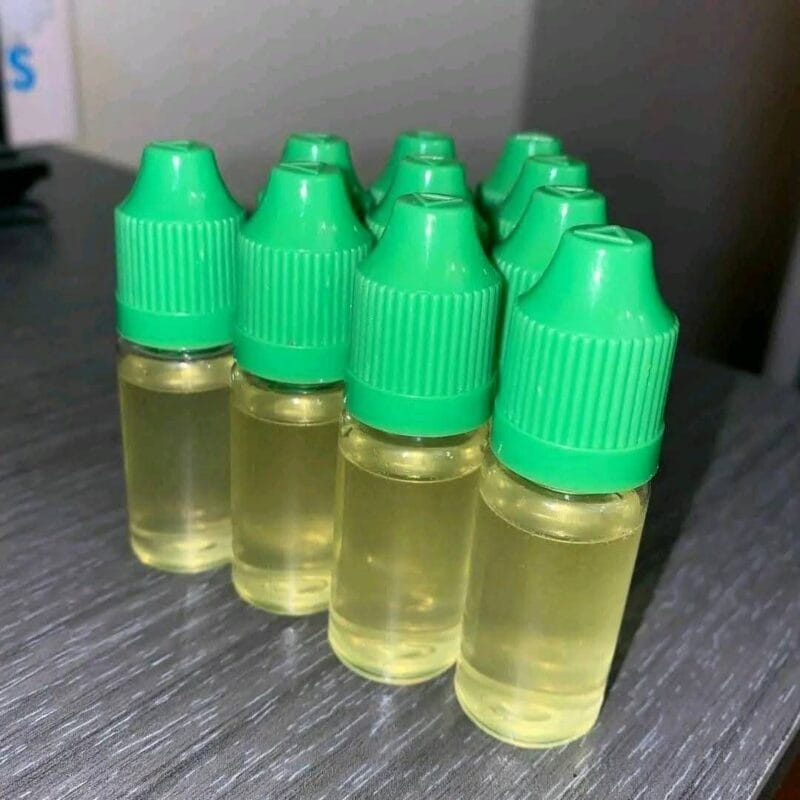
Liquid herbal incense” is, in most cases, a liquid product infused with synthetic cannabinoids — lab-made chemical compounds designed to mimic the effects of THC, the psychoactive ingredient in cannabis. It is a liquid variant of the more widely known “K2” or “Spice” products, which are typically dried plant material sprayed with similar synthetic compounds and sold as smokable “herbal incense.”
The liquid version works the same way in practice: it’s usually applied to a rolling paper, dabbed onto dried herbs, added to a vape device, or otherwise consumed by inhalation, despite the “not for human consumption” label on the packaging. That label isn’t a genuine safety warning in the way it might be on, say, a bottle of cleaning solvent. It exists primarily as a legal maneuver — a way for manufacturers to sidestep certain regulations that govern products intended for human use or consumption, while everyone involved in the sale and purchase understands the product’s real purpose.
A Brief History of “Herbal Incense” as a Legal Loophole
To understand why this label exists, it helps to look at where synthetic cannabinoids came from.
In the 1990s and 2000s, researchers — most notably organic chemist John W. Huffman at Clemson University — synthesized cannabinoid compounds for legitimate scientific research, largely to study how the endocannabinoid system works in the body. These compounds, often labeled with prefixes like “JWH” (after Huffman’s initials), were never intended for human use; they were laboratory tools.
By the mid-2000s, however, some of these formulas found their way out of academic literature and into underground manufacturing. Entrepreneurs discovered that spraying these synthetic compounds onto dried plant material created a product that, when smoked, produced cannabis-like intoxicating effects. Crucially, because the specific chemical compounds weren’t yet classified as controlled substances in many countries, the resulting products existed in a legal gray area.
To sell these products openly, manufacturers began marketing them as “herbal incense,” “potpourri,” or “aromatherapy” products, explicitly labeling them “not for human consumption.” This framing allowed sellers to argue the products were intended only to be burned for scent, not ingested or smoked for their psychoactive effects — even though the marketing, packaging, and social use patterns made the real intent widely understood. Liquid herbal incense emerged later as manufacturers diversified delivery methods, especially as vaping became more popular and law enforcement began targeting the plant-based versions specifically.
Why the Chemistry Makes This Different From Cannabis
One of the most important things to understand about liquid herbal incense — and synthetic cannabinoids generally — is that despite the marketing comparisons to cannabis, the chemistry and effects are meaningfully different, and often far more dangerous.
Natural cannabis contains cannabinoids like THC and CBD that interact with the body’s cannabinoid receptors (CB1 and CB2) in ways that have been studied for decades. THC is what’s called a “partial agonist” at these receptors, meaning it activates them but with a ceiling effect that limits how intensely it can bind.
Many synthetic cannabinoids found in herbal incense products, by contrast, are “full agonists.” They can bind to cannabinoid receptors much more strongly and completely than THC does, which translates to a much more intense and unpredictable physiological response. Some synthetic compounds identified in these products have been found to be dozens of times more potent than THC at the receptor level.
Compounding this danger is the manufacturing process itself. These products are frequently produced in unregulated settings, sometimes overseas, without pharmaceutical-grade quality control. This means:
- Potency varies wildly from batch to batch, and even within the same batch. A spray-on or dip application process doesn’t distribute the active chemical evenly, so one dose from a bottle might be mild while another is many times stronger.
- The actual chemical compounds change frequently. As specific synthetic cannabinoids get banned by name, manufacturers often shift to newer, chemically similar compounds that aren’t yet illegal — these are sometimes called “designer drugs” for this reason. This means a product sold as “herbal incense” today may contain an entirely different, less-studied compound than one sold under the same name a year earlier.
- Users typically have no reliable way to know what’s actually in the product. Labels rarely disclose the specific active compounds, and even if they did, unregulated manufacturing means the label often doesn’t match the actual contents.
Documented Health Risks
Public health agencies and poison control centers have tracked synthetic cannabinoid exposure for over a decade, and the data paints a concerning picture. Reported effects associated with synthetic cannabinoid use include:
- Rapid heart rate and elevated blood pressure
- Severe agitation, anxiety, and paranoia
- Confusion and disorientation
- Nausea and vomiting
- Seizures
- Psychotic episodes, including hallucinations
- Acute kidney injury
- In some documented cases, cardiac events and death
Because these compounds are structurally diverse and often untested in humans before hitting the market, medical professionals frequently face a diagnostic challenge when treating someone who has used these products: unlike cannabis or many other recreational substances, standard drug screens often don’t detect the specific synthetic compound involved, making it harder for emergency responders to know exactly what they’re treating.
The Regulatory Response
Governments have struggled to keep pace with this category of product precisely because of how quickly manufacturers adapt.
In the United States, the federal government first began scheduling specific synthetic cannabinoid compounds under the Controlled Substances Act in the early 2010s, with the Synthetic Drug Abuse Prevention Act of 2012 explicitly banning a list of named compounds. Many individual states passed their own bans as well, sometimes even broader in scope.
However, this compound-by-compound approach created a persistent game of regulatory catch-up. Manufacturers would tweak a molecule’s structure slightly — enough to create a new, technically unlisted compound — and be back on the market before regulators could add the new variant to the schedule. Some jurisdictions have since moved toward broader “analogue” laws, which attempt to ban entire classes of structurally similar compounds rather than naming each one individually, in an effort to close this loophole. Other countries have taken similar approaches, with varying degrees of success.
Despite these efforts, products marketed under names like “herbal incense,” “liquid herbal incense,” “spice,” or various brand names continue to circulate, particularly through informal retail channels and online sales that are harder to monitor and enforce.
Why the “Not for Human Consumption” Label Persists
It’s worth pausing on why sellers continue using this label even though it’s widely understood not to reflect the product’s actual use. The label serves a few functions from a seller’s perspective:
- Legal insulation. If a product is marketed strictly as incense or potpourri, sellers can attempt to argue they bear no responsibility for how a buyer chooses to use it, even if the product’s chemical makeup, packaging, and marketing all point toward drug use.
- Avoiding consumer product regulation. Products intended for human consumption or topical/inhalation use are subject to different regulatory frameworks (like FDA oversight in the U.S.) than products marketed purely as air fresheners or incense.
- Retail accessibility. Because these products aren’t classified the same way as controlled substances (until specific compounds are banned), they can often be sold at convenience stores, smoke shops, and gas stations without the same restrictions placed on other drugs.
Regulators and courts have increasingly pushed back on this framing, and several high-profile prosecutions have successfully argued that marketing intent — not just product labeling — determines whether a product is a controlled substance analogue. Still, the label persists as a marketing convention across much of this industry.
How This Differs From Traditional Incense
It’s worth explicitly distinguishing this category from actual herbal incense — a term with a much older and entirely different meaning. Traditional herbal incense refers to dried botanicals, resins, and herbs (like sage, palo santo, frankincense, myrrh, sandalwood, or lavender) that are burned for their aroma, used in religious or spiritual ceremonies, or valued in aromatherapy practices. These products have no psychoactive intent and a long history of legitimate cultural and wellness use across many traditions.
The confusion between these two very different product categories is, in part, intentional — synthetic cannabinoid manufacturers deliberately borrowed the language of legitimate aromatherapy and ceremonial incense to make their products sound benign and to help them fit into existing retail categories.
What to Take Away From This
If you encounter a product labeled “liquid herbal incense,” particularly one marked “not for human consumption” and sold alongside other novelty or smoke shop items, it’s worth understanding that:
- It is very likely a synthetic cannabinoid product, not a fragrance product
- Its actual chemical contents are frequently unknown, mislabeled, or inconsistent from batch to batch
- Its effects are often unpredictable and can be significantly more intense or dangerous than cannabis
- It has been linked to serious medical emergencies, including hospitalizations and deaths
- Regulatory status varies by jurisdiction and changes frequently as new compounds appear
If you or someone you know is currently using or considering using a product like this, or is experiencing symptoms like a racing heart, severe agitation, confusion, or unusual bleeding or bruising after using one, seeking medical attention or contacting Poison Control is a reasonable and important step — synthetic cannabinoid effects can escalate quickly and unpredictably in ways that differ from more familiar substances.


