Uncategorized
Herbal Incense Benefits: Myths, Reality, and What Science Says
Aug
Table of Contents
Understanding the clear distinction between true botanical room aromatics and laboratory-synthesized chemical sprays is essential for health, safety, and legal compliance.
This comprehensive guide breaks down what people mean when discussing herbal incense benefits, clarifies the severe risks associated with synthetic cannabinoid products (often advertised as synthetic cannabis for sale or ways to buy synthetic weed online), and highlights legitimate, safe botanical alternatives for room fragrance and aromatherapy.
Defining Herbal Incense: True Botanicals vs. Synthetic Formulations
To evaluate claims about herbal incense benefits, it is necessary to separate traditional plant-based aromatic preparations from illicit liquid sprays and potpourri mixtures.
                      [ Aromatic Room Products ]
                                   │
         ┌─────────────────────────┴─────────────────────────┐
         ▼                                                   ▼
[ True Botanical Incense ]                         [ Synthetic K2 / Spice Products ]
• Plant resins, bark, essential oils               • Lab-synthesized SCRA chemicals
• Natural aromatic compounds                       • Sprayed onto plant matter or liquid
• Pure scenting and aromatherapy                   • Potent central nervous system impacts
• Non-intoxicating, safe when used properly       • Unpredictable toxicity and health risks
Traditional Botanical Incense
Historically, herbal incense consists of ground plant matter, wood powders, resins (such as frankincense and myrrh), and natural essential oils. When gently warmed or burned, these natural botanicals release aromatic smoke or vapor used for scenting spaces, meditation, and traditional cultural practices.
Synthetic K2 and Spice Formulations
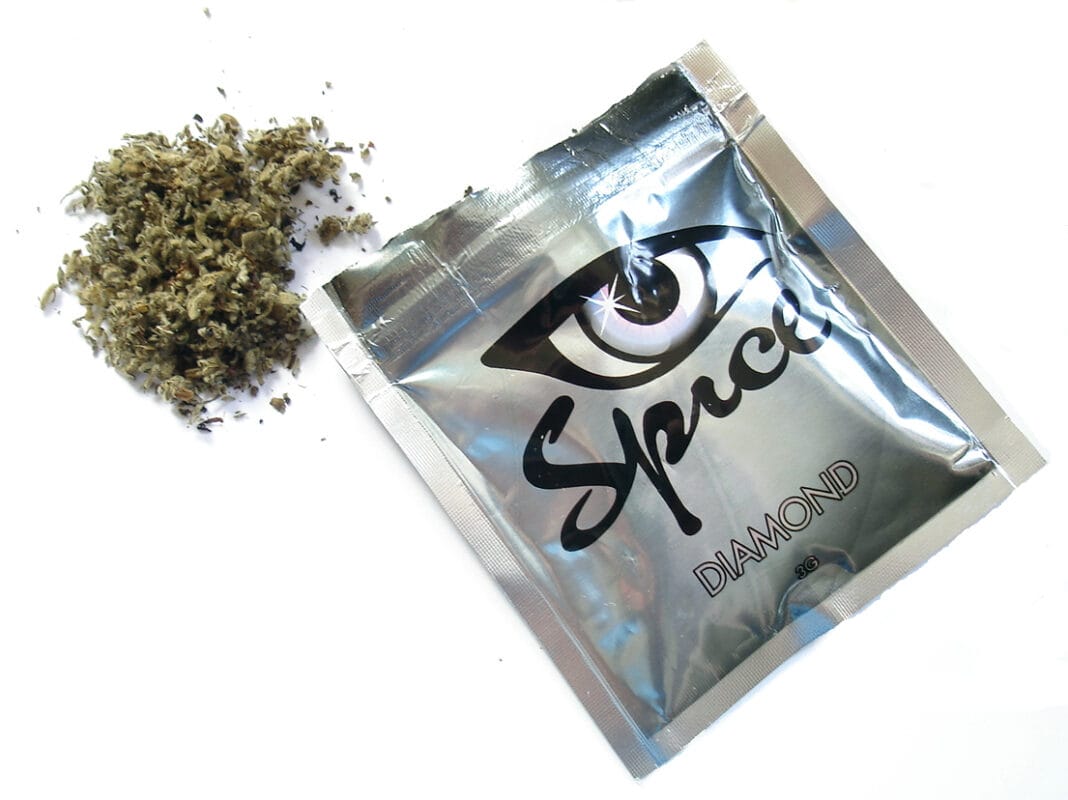
In contrast, commercial products sold under street names such as K2, Spice, or liquid herbal incense are not natural herbs. They consist of inert plant matter or liquid carriers (like acetone or propylene glycol) sprayed or infused with lab-made chemical compounds known as synthetic cannabinoid receptor agonists (SCRAs).
Unpacking the Myths vs. Facts Around Synthetic “Incense”
Many online listings attempt to advertise k2 incense for sale or a k2 herbal incense mix by attributing traditional wellness properties to these chemical mixtures. Examining the medical evidence reveals a vastly different reality.
| Subject Area | Claimed “Benefits” in Marketing | Scientific & Medical Reality |
| Composition | “All-natural blend of exotic herbs” | Inert leaves coated in synthetic SCRA chemicals |
| Safety | “Safe room freshener / potpourri” | Severe neurotoxic and cardiovascular hazards |
| Consistency | “Standardized aromatherapy formula” | Wildly uneven “hotspots” of chemical concentration |
| Legal Standing | “100% legal herbal substitute” | Classified as Schedule I Controlled Substances or analogues |
Cardiovascular and Neurological Hazards
Unlike natural cannabis or hemp, which contain partial receptor agonists and balancing compounds like CBD, synthetic SCRA chemicals act as full, high-affinity agonists at CB1 receptors in the brain and heart. Medical documentation shows exposure can lead to:
- Severe Tachycardia and Cardiac Distress: Rapid, uncontrolled heart rate and elevated blood pressure.
- Acute Neurotoxicity: Severe agitation, panic attacks, hallucinations, and unprovoked aggression.
- Organ Toxicity: Direct nephrotoxicity leading to acute kidney injury (AKI).
Legal Status and Federal Classification
Is it legal to search for or purchase synthetic herbal incense spray or liquid herbal incense online? No.
- Schedule I Classification: Compounds like JWH-018, AM-2201, and their successive chemical iterations are classified under Schedule I of the Controlled Substances Act.
- The Federal Analogue Act: Chemicals engineered to mimic banned compounds are automatically treated as Schedule I substances if they share structural or functional similarities, making “legal high” marketing claims fraudulent under the law.
- Misleading Disclaimers: Labels reading “Not for Human Consumption” or “Aromatherapy Potpourri” are routinely recognized by legal authorities as deceptive attempts to bypass consumer safety laws.
Legitimate Botanical Alternatives for Aromatherapy
If you are looking for genuine herbal incense benefits—such as room scenting, relaxation, and mood elevation—safe, legal, and lab-tested options exist that carry no illicit chemical risks:
- Pure Essential Oil Sprays & Diffusers: Distilled from plants like lavender (Lavandula angustifolia), eucalyptus, cedarwood, and bergamot, these natural mists provide authentic olfactory benefits without dangerous additives.
- Natural Resin Incense: Pure frankincense, copal, and dragon’s blood resins burned on charcoal offer traditional, unadulterated room fragrance.
- Third-Party Lab-Tested Hemp Extracts: For those seeking legal cannabinoid wellness support, broad-spectrum hemp sprays derived from organic industrial hemp provide transparent, lab-verified alternatives accompanied by official Certificates of Analysis (COAs).
Help & Support Resources
- SAMHSA’s National Helpline: Call 1-800-662-4357 (HELP) or visit samhsa.gov for free, confidential guidance and treatment referrals.
- Poison Control Center: Call 1-800-222-1222 immediately for emergency medical consultation regarding chemical exposure.
FAQ: Frequently Asked Questions
Are there any health benefits to synthetic herbal incense?
No. Synthetic herbal incense products (commonly referred to as K2 or Spice) contain unpredictable synthetic chemicals that carry severe health risks, including rapid heart rate, seizures, psychosis, and kidney damage. They offer no validated therapeutic benefits.
What is the difference between traditional herbal incense and K2?
Is liquid herbal incense legal to buy online?
No. Synthetic cannabinoids found in liquid incense products are classified as Schedule I controlled substances or controlled substance analogues under federal and state laws, making their sale and distribution illegal.
What are safe ways to enjoy herbal aromatherapy?
Safe ways to enjoy aromatherapy include using 100% pure organic essential oil diffusers, natural room mists, or pure plant resin incense (such as frankincense or sandalwood) from reputable manufacturers who provide full ingredient transparency.


