Uncategorized
Does K2 Spray Expire? How to Check and What Science Says
Jul
Table of Contents
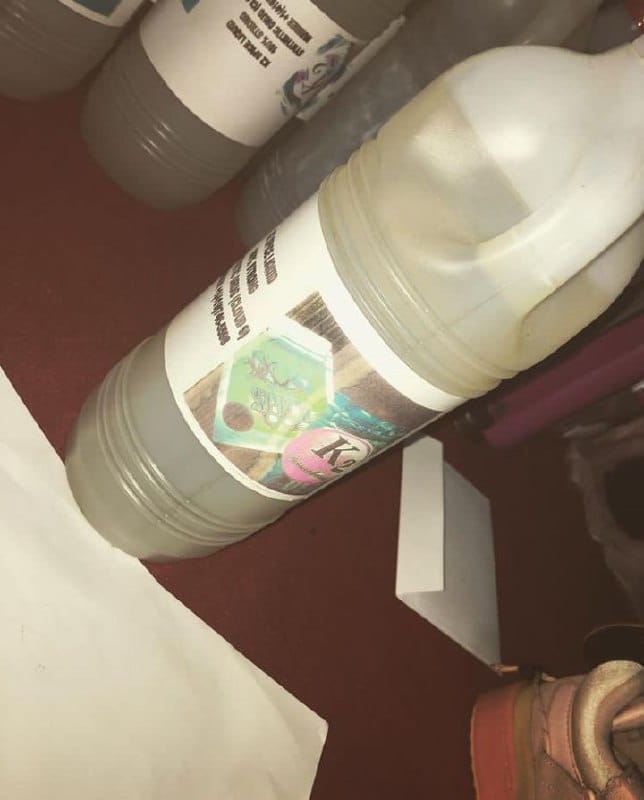
Whether dealing with a k2 spice spray bottle, liquid formulations stored in a standard k2 spray bottle, or infused materials like k2 spice spray on letter paper, the answers lie heavily in organic chemistry. Unlike natural cannabis, which contains stable, organic plant matter, synthetic alternatives rely on highly volatile research chemicals.
This guide provides a comprehensive, science-backed breakdown of how synthetic cannabinoids degrade, how environmental factors alter their toxicity, and the extreme health and legal risks associated with handling these substances.
The Core Question: Does K2 Spray Expire?
The short answer is that while synthetic cannabinoids do not “spoil” like food, the active chemical compounds absolutely degrade over time.
When people look to buy k2 spray or use a product like code red k2 spray, they are interacting with synthetic research chemicals (such as the JWH, AM, or HU chemical families) dissolved in a solvent like acetone or high-proof alcohol. These manufactured molecules are highly susceptible to environmental degradation. Depending on storage conditions, the primary chemical structure can warp, break down, or convert into entirely different, untracked chemical sub-products within months.
How to Check for Chemical Degradation and Instability
1. Separation and Precipitation
In a standard liquid solution, the synthetic cannabinoid molecules should remain fully suspended in the solvent. Over time, as evaporation or degradation occurs, you may see crystalline residue, powder, or sludge settling at the bottom of the bottle. This indicates the solution has destabilized.
2. Discoloration and Oxidization
Exposure to oxygen and ambient light causes rapid chemical oxidation. A freshly mixed liquid might appear clear or lightly tinted, but heavily degraded solutions often turn a dark brown, amber, or murky yellow.
3. Solvent Evaporation
The Chemistry Behind Synthetic Cannabinoid Breakdown
To understand how synthetic compounds age, it helps to compare them to natural THC.
Natural cannabis breaks down predictably: over time, exposure to light and air converts $THC$ into $CBN$ (cannabinol), a much weaker, sedating cannabinoid. Synthetic compounds do not follow this path.
[Natural Cannabis]: THC  --(UV Light/Oxygen)--> CBN (Predictable, lower potency)
[Synthetic K2]:   JWH-018 --(UV Light/Oxygen)--> Unknown Oxidized Analogs (Unpredictable, highly toxic)
When liquid from a k2 spice spray bottle or chemical dried onto a k2 spice spray on letter ages, the synthetic molecules split at vulnerable chemical bonds (such as ester or amide linkages). The resulting breakdown products are not inert—they are frequently completely unstudied chemical variations that may carry vastly higher toxicity profiles than the original compound, posing unpredictable threats to human biology.
The Myth of a “Safe” or “Fresh” Batch
Because these compounds are full agonists at the brain’s CB1 and CB2 receptors, they induce physiological responses that are vastly more intense than natural marijuana. Even a “fresh” bottle can cause immediate medical emergencies.
Severe Health Hazards Associated with K2 Use:
- Cardiovascular Crises: Extreme tachycardia (racing heart rate), severe hypertension, acute chest pains, and myocardial infarction (heart attack).
- Severe Psychiatric Episodes: Acute psychosis, intense hallucinations, treatment-resistant paranoia, extreme agitation, and uncharacteristic violent behavior.
- Neurological Damage: Grand mal seizures, loss of consciousness, and prolonged comas.
- Acute Kidney Injury: Toxins building up in the blood due to sudden, catastrophic renal failure, often requiring emergency dialysis.
Legal Consequences: Federal and State Status
Attempts to source, possess, or distribute synthetic cannabinoids carry severe legal penalties. The United States Drug Enforcement Administration (DEA) classifies the vast majority of known synthetic cannabinoid compounds as Schedule I Controlled Substances.
Furthermore, under the Federal Analogue Act, any chemical substance that is “substantially similar” to a banned Schedule I drug—or is marketed to have a similar effect—is automatically treated as a Schedule I drug under federal law. This means that changing a minor molecule to avoid a specific ban does not make the drug legal. Searching out a k2 spray bottle or trying to buy k2 spray online exposes individuals to felony charges, severe fines, and lengthy federal or state prison sentences.
Seeking Help and Resources
If you or a loved one are struggling with synthetic cannabinoid dependence or are experiencing health issues related to these substances, please reach out to trusted support networks immediately:
- Substance Abuse and Mental Health Services Administration (SAMHSA): Call 1-800-662-4357 (HELP) for 24/7, free, confidential treatment referral, counseling guidance, and support resources.
- Poison Control Centers: If accidental exposure or unexpected symptoms occur from handling contaminated items, call 1-800-222-1222 immediately for real-time guidance from medical professionals.
- Emergency Situations: For instances of respiratory distress, ongoing seizures, or unresponsive individuals, call 911 without delay.
Frequently Asked Questions (FAQs)
How long does liquid K2 last before degrading?
Depending on environmental exposure, liquid synthetic cannabinoids can begin altering their chemical structure within a few months. Exposure to direct sunlight, high temperatures, and open air accelerates this breakdown process significantly, warping the original molecules into unstudied chemical analogs.
What happens if K2 spray gets exposed to light?
Can specialized drug tests detect old or degraded K2?
Yes. Modern forensic toxicology labs utilize advanced liquid chromatography-mass spectrometry (LC-MS) testing. These advanced machines are calibrated to detect not only the primary synthetic cannabinoid compounds but also their known breakdown metabolites and degraded variants, making detection highly accurate even months after application.


